••
Tensions Rise in Ghana’s Cocoa Belt as Price Cuts and Stalled Pension Scheme Spark Political Clashes
•2 min read•6 sources
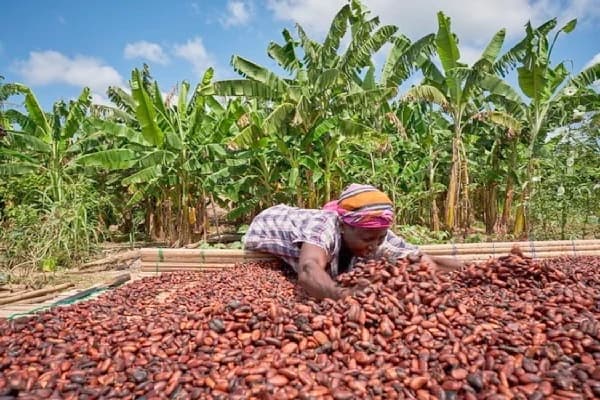
The Ghanaian cocoa sector has been thrust into a heated political and social debate following a sharp reduction in producer prices and growing concerns over the future of the Cocoa Farmers Pension Scheme (CFPS). In February 2026, Majority Leader Mahama Ayariga dismissed a series of protests across the Western North Region as "political theatre," arguing that the demonstrations in Sefwi Wiawso, Juaboso, and Bia West were orchestrated by partisans rather than genuine farmers. This dismissal comes as the government slashed cocoa producer prices from GH¢3,625 to GH¢2,587 per bag, a move farmers have labeled a "death sentence" amid soaring production costs and economic instability.
Speaking in Parliament, Ayariga defended the price adjustments, citing the heavy debt burden inherited by the Ghana Cocoa Board from the previous administration and the necessity of aligning with fluctuating global market prices. He maintained that the farming community understands these economic realities, despite the visible discontent on the ground. However, the disconnect between the legislative narrative and the reality in the cocoa belt remains stark, as farmers express deep frustration over the sudden loss of income which they claim threatens their very livelihoods and the sustainability of their farms.
Simultaneously, the Cocoa Farmers Pension Scheme (CFPS), a landmark initiative introduced in 2020 to provide retirement security for over 100,000 farmers, is reportedly facing significant implementation hurdles. Stakeholders, including Joseph Cudjoe, have raised alarms that the scheme’s momentum has stalled, with operational offices sitting idle and the trust of contributing farmers beginning to erode. The CFPS was designed to rectify historical injustices by allowing farmers to contribute 5% of their income toward a dignified retirement, shifting the industry's focus from mere commodity production to the human welfare of the producers.
The current administration is under increasing pressure to sustain and strengthen these social protections rather than allowing them to lapse. Critics argue that neglecting the pension scheme while simultaneously cutting producer prices creates a double burden for the cocoa farmers who have historically financed the nation's infrastructure. As the political rhetoric intensifies, the future of Ghana's cocoa sector may depend on whether the government can move beyond blame-shifting and deliver concrete support that ensures both the financial survival and the long-term dignity of the nation's most vital agricultural workforce.
This story touches markets covered on Anansi Intelligence ↗.
More from politics
Continue exploring similar stories


