••
Study Reveals Ghana's Closed Fishing Season Policy Deepens Hardship for Coastal Communities
•2 min read•3 sources
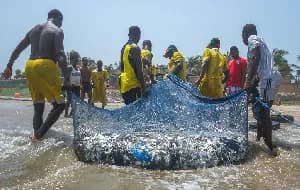
A new study by the University of St Andrews has revealed that Ghana's closed fishing season policy is inflicting significant socio-economic hardship on coastal fishing communities, often outweighing its intended environmental benefits. Presented by Dr. Ifesinachi Okafor-Yarwood, the research indicates that the suspension of fishing activities has led to increased stress, social instability, and a marked decline in the livelihoods of those who depend on the ocean. The study, conducted under the Indigenous Studies and International Policy for Sustainable Knowledge (ISIPSK) project, highlights a growing disconnect between top-down scientific policies and the lived realities of the people they are designed to protect.
Data gathered from 207 participants, primarily in the Volta Region, shows that the policy has a disproportionately negative impact on women and households lacking alternative income sources. For many in these coastal regions, the closed season does not merely represent a pause in work but a complete cessation of cash flow, leading to heightened household pressures and community-wide social issues. The researchers argue that the current implementation fails to account for the financial vulnerability of artisanal fishers, suggesting that without adequate social safety nets, the conservation efforts may remain socially unsustainable.
To address these challenges, the study advocates for a strategic shift in the timing of the closed season and the integration of indigenous knowledge into formal fisheries management. Respondents and researchers suggest that shifting the closed season to June, rather than July, would better align with local ecological cycles and traditional conservation practices. The study also recommends the revival of indigenous methods, such as traditional rest days and ancestral sacrifices, which historically governed resource use through community-led spiritual and social frameworks. By blending scientific data with local wisdom, policymakers could foster higher levels of compliance and respect for conservation boundaries.
Moving forward, the research underscores the urgent need for a more inclusive approach to fisheries governance in Ghana. Beyond adjusting the timeline, there is a collective call from both researchers and community leaders to take a firmer, unified stand against illegal fishing practices that continue to deplete stocks despite the seasonal closures. Ultimately, the goal is to create a management framework that not only ensures the long-term sustainability of Ghana's marine resources but also protects the socio-economic well-being of the vulnerable populations that rely on them.
This story touches markets covered on Anansi Intelligence ↗.
More from africa
Continue exploring similar stories


