••
Ghana Tackles Climate Vulnerability through Flood Management, Biodiversity Conservation, and Waste Reform
•2 min read•8 sources
Ghana is currently confronting a series of environmental crises that have highlighted significant gaps in urban planning, disaster management, and biodiversity conservation. In the Western Region, a section of the Aboso-Damang road recently collapsed following heavy rains and underground erosion, with experts suggesting that illegal mining, or galamsey, likely compromised the soil structure. This infrastructure failure is symptomatic of a wider national struggle with extreme weather; in Cape Coast, a severe rainstorm recently claimed four lives and displaced nearly 3,000 people. The Cape Coast Metropolitan Assembly (CCMA) has since declared a state of emergency, identifying inadequate drainage, aging structures, and unauthorized constructions on waterways as primary drivers of the disaster. These events have prompted the African Centre for Urban Resilience Planning and Inclusive Governance (ACURPIG) to call for gender-responsive climate and urban planning, noting that women and children bear the brunt of these recurring floods through economic hardship and health risks.
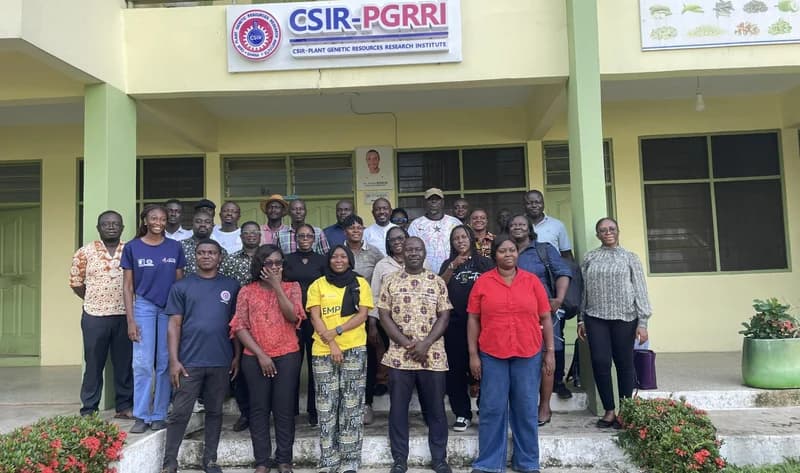
While urban centers struggle with water management, Ghana’s natural heritage is facing an equally dire threat from habitat destruction. Scientists at the Council for Scientific and Industrial Research-Plant Genetic Resources Research Institute (CSIR-PGRRI) are in a race against time to preserve the nation’s plant genetic resources. Driven by illegal mining, deforestation, and climate change, biodiversity loss is currently outpacing restoration efforts. Dr. Edmund Owusu and his colleagues have highlighted that approximately 146 forest tree species are now listed as threatened. To safeguard the country’s agricultural future and food security, a live gene bank has been established at Bunso to conserve the genetic materials of endangered and underutilized species. However, conservationists warn that gene banks alone cannot solve the crisis if natural habitats continue to be decimated by unregulated industrial activity.
In response to these interconnected environmental challenges, metropolitan authorities are beginning to implement long-term structural reforms. The Accra Metropolitan Assembly (AMA) recently launched a comprehensive Solid Waste Optimisation Strategy (2025-2035) to drive source separation, composting, and landfill reduction. Supported by international partners including the African Development Bank, the strategy aims to improve public health and create jobs while addressing the improper waste disposal that often clogs drainage systems and exacerbates flooding. Similarly, the CCMA is developing a drainage master plan and forming committees to tackle illegal constructions. These initiatives, ranging from high-tech seed preservation to grassroots waste management, represent a multifaceted effort to build a more resilient Ghana in the face of an increasingly volatile climate.
This story touches markets covered on Anansi Intelligence ↗.
More from africa
Continue exploring similar stories


