••
Ghana Government Clears GH¢1.05bn SSNIT Debt and Surpasses T-Bill Targets Amidst Cedi Volatility
•3 min read•8 sources
The Ghanaian government has made significant strides in its fiscal management, fully settling a GH¢1.05 billion debt to the Social Security and National Insurance Trust (SSNIT) while simultaneously exceeding its latest Treasury bill auction target. According to SSNIT Director-General Kwasi Afreh Biney, the government cleared all 2024 arrears by March 2025 and has taken the unprecedented step of making advance payments for 2025 and 2026 obligations. This proactive fiscal approach coincided with a rebound in investor appetite for government securities, where the state raised GH¢5.83 billion against a GH¢5.44 billion target, marking an 11.9% oversubscription.
The settlement of the SSNIT debt represents a historic shift in the government’s financial dealings with the pension trust. Mr. Biney confirmed that over 70% of the GH¢1.05 billion payment was made in cash, with only a minor portion handled through short-term financial instruments in late 2024. For the first time, no contribution arrears were carried into the new fiscal year, a move that has significantly improved the Trust’s cash flow and demonstrates a strengthened commitment to public sector pension responsibilities.
In the domestic credit market, the Bank of Ghana reported strong demand across all tenors during the recent Treasury bill auction. The 91-day bill was the most sought-after instrument, attracting GH¢3.56 billion in bids, while the 182-day and 364-day bills also saw healthy participation. However, this increased demand has been accompanied by a slight surge in interest rates. Yields across the curve have risen, with the 91-day bill yield reaching 5.01% and the 364-day bill increasing to 10.83%. Analysts suggest that these rising yields are the primary driver behind the renewed investor interest, as the government sets a higher target of GH¢7.43 billion for the upcoming auction cycle.
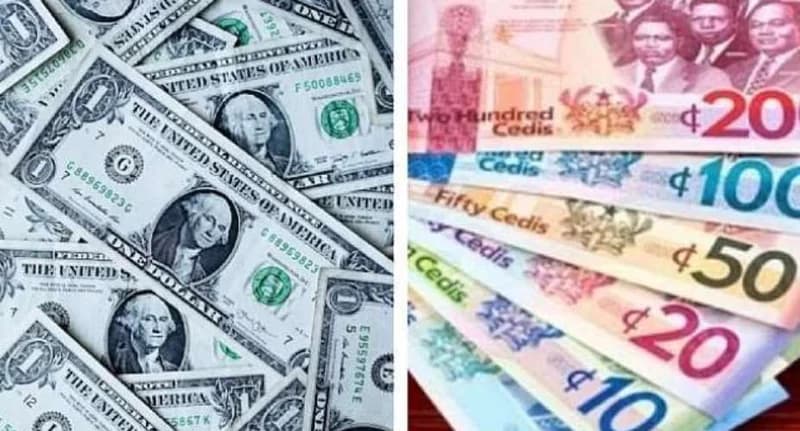
On the currency front, the Ghanaian Cedi has shown mixed performance against major international currencies. As of June 8, 2026, the Cedi recorded a slight appreciation against the US Dollar, selling at GHS 12.50 at forex bureaus and GHS 11.86 on the interbank market. This recent stability follows a period of intense pressure where the currency depreciated by an average of 4.18% between April and May 2026. Despite a US$1.1 billion intervention by the Bank of Ghana, high import costs driven by elevated crude oil prices continue to fuel demand for foreign exchange, leading analysts to predict further volatility as corporate demand typically spikes in the second quarter.
These local economic developments are unfolding against a backdrop of global market instability. Recent US jobs reports have triggered significant slumps in Wall Street tech stocks and cryptocurrencies, as fears grow that the Federal Reserve will maintain high interest rates to combat inflation. While the domestic focus remains on fiscal discipline and debt management, the vulnerability of the global tech sector and shifting international interest rates continue to pose external risks to Ghana’s economic outlook. For now, the government's ability to meet internal obligations and exceed domestic borrowing targets remains a key indicator of fiscal resilience.
This story touches markets covered on Anansi Intelligence ↗.
Live rates
Dollar to cedi rate →More from business
Continue exploring similar stories


