••
Ghana Cedi Under Pressure as Global Geopolitical Tensions Spike Oil Prices and Airline Operational Costs
•3 min read•8 sources
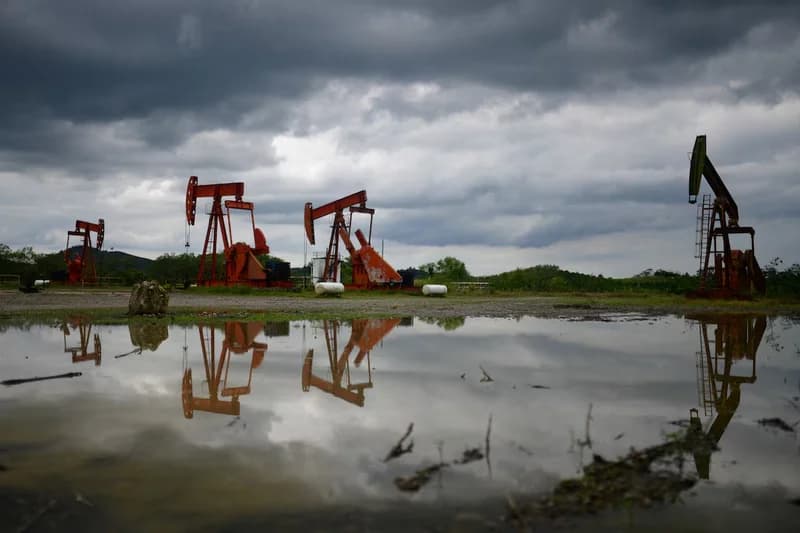
The Ghana cedi continues to face significant depreciation against major global currencies, driven by a combination of high import costs and intense demand for foreign exchange from corporate entities. On the interbank market, the cedi recently traded at GHS 11.85 to the US dollar, while retail rates at forex bureaus have climbed as high as GHS 12.50. This downward trend persists despite a substantial $1.1 billion intervention by the Bank of Ghana. Analysts attribute the ongoing pressure to the repatriation of profits by multinational companies and the high cost of crude oil imports, which have strained the country's foreign reserves. While a projected $1.2 billion foreign exchange support program offers some hope for short-term stability, the market sentiment remains bearish as demand continues to outpace available supply.
On the global stage, energy markets are reacting sharply to renewed tensions between Iran and Israel. Brent crude has risen to $94.38 per barrel, while U.S. West Texas Intermediate climbed to $91.41, as investors remain skeptical of recent ceasefires. These rising energy costs have had a devastating impact on the aviation sector; U.S. airlines saw their fuel expenses soar by 78% year-over-year to nearly $6.5 billion in April alone. The International Air Transport Association (IATA) has warned that total industry fuel expenses could reach $350 billion by 2026, potentially consuming a third of total operating costs and leading to higher passenger fares for both domestic and international travel.
While oil prices climb, other commodities are seeing a reversal in fortune. Gold prices have declined for three consecutive sessions, with spot gold falling to $4,319.98 per ounce as U.S. Treasury yields hit two-week highs. The rising yields have increased the opportunity cost of holding non-yielding assets like gold, leading to a 0.5% drop in holdings within the SPDR Gold Trust. Market experts suggest that persistent inflation and the geopolitical situation in the Middle East may delay anticipated U.S. interest rate cuts, with many traders now bracing for a potential rate hike before the end of the year.
In contrast to the currency struggles in West Africa, Rwanda is taking proactive steps to safeguard its booming economy. Despite recording a remarkable 9.4% growth rate, the Rwandan government has secured a new $250 million credit facility from the International Monetary Fund (IMF). This 38-month arrangement is designed to provide a financial cushion against global shocks, such as the rising costs of oil and fertilizers. With an immediate disbursement of $35.7 million authorized, the package underscores a regional strategy of maintaining social and development expenditures even as global financial conditions tighten. These developments highlight a volatile economic landscape where African nations must balance domestic growth with increasingly unpredictable global commodity and currency markets.
This story touches markets covered on Anansi Intelligence ↗.
Live rates
Ghana gold price →More from business
Continue exploring similar stories


