••
Ghana Cedi Faces Renewed Pressure in Second Half of 2026 Amid Rising Dollar Demand from Energy Sector
•2 min read•5 sources
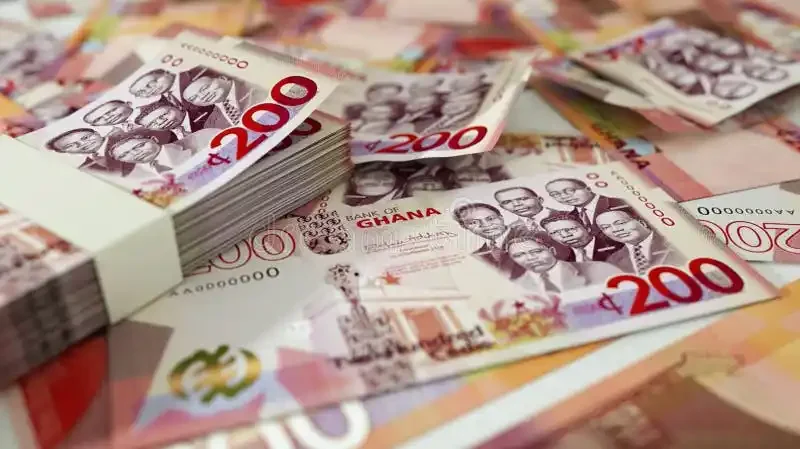
The Ghana cedi has entered the second half of the year under significant foreign exchange pressure, recording a depreciation of approximately 8.7% to 9.5% against the US dollar since January. This downward trend is primarily driven by a surge in demand for foreign exchange that has consistently outpaced supply, despite substantial interventions by the Bank of Ghana (BoG). While the central bank has injected approximately $2.01 billion into the market to maintain stability, high demand from businesses—particularly those in the energy sector requiring dollars for crude oil imports—continues to test the currency's resilience.
Market data reveals a growing disparity between interbank and retail rates. In the interbank market, the cedi recently traded at a mid-rate of GH""11.55 to the dollar, while retail markets and forex bureaus have seen rates climb as high as GH""12.25. The cedi has also weakened against other major currencies, with the British pound reaching an average selling rate of GH""16.23 and the euro trading at approximately GH""13.81 at various bureaus. Despite these slippages, some analysts, including those from Databank Research, observe that the retail market has shown pockets of stability, forecasting a potential trading range between GH""11.40 and GH""11.70 per dollar in the near term.
The Bank of Ghana maintains that the current volatility constitutes temporary market movements. The central bank has pointed to strong international reserves and anticipated foreign exchange inflows as factors that will eventually stabilize the local currency. However, the persistent gap in supply remains a concern; for instance, even with weekly auctions reaching $220 million, a significant portion of corporate bids often remains unmet. This imbalance is compounded by external risks, including geopolitical uncertainties in the Middle East, which could further impact global oil prices and local economic stability.
Moving forward, the performance of the cedi will likely depend on the consistent realization of foreign exchange inflows and the government's commitment to fiscal discipline. While the BoG's interventions have provided a buffer against more drastic depreciation, analysts warn that continued demand pressures from the energy sector may limit the effectiveness of these measures. Businesses and investors are advised to monitor official interbank rates versus retail bureau prices closely as the market navigates these ongoing liquidity challenges.
This story touches markets covered on Anansi Intelligence ↗.
Live rates
Pound to cedi rate →More from business
Continue exploring similar stories


