••
Ghana's Digital Identity System Recognized as a Global Leader in Integration and Security
•2 min read•3 sources
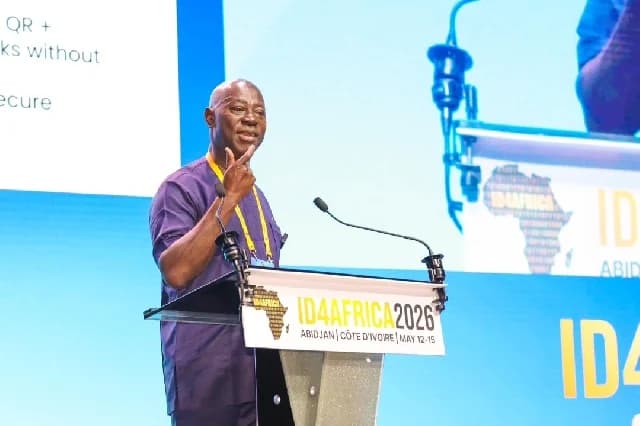
Ghana has cemented its position as a global leader in the digital identity space, with its national identification system recognized as one of the most integrated ecosystems in the world. Speaking at the ID4Africa Annual General Meeting in Abidjan, Côte d’Ivoire, Moses Kwesi Baiden Jnr., CEO of Margins ID Group, highlighted the unprecedented success of the Ghana Card. With over 19.4 million citizens enrolled—representing more than 92% of the eligible population—Ghana’s system has become a primary blueprint for technological leapfrogging on the African continent.
A cornerstone of Ghana's success is its deliberate focus on interoperability from the system's inception. Unlike many nations that struggle with fragmented data silos, the Ghana Card was designed as a versatile platform capable of serving multiple sectors simultaneously. To date, more than 262 institutions, including major banks, healthcare providers, and government agencies, have successfully integrated the system into their operations. This high level of integration has transformed service delivery, enabling real-time verification and significantly reducing identity-related fraud across both public and private sectors.
While celebrating these milestones, Mr. Baiden underscored the critical necessity of robust governance and security frameworks. He cautioned that a digital identity system without strong legal safeguards and cybersecurity measures remains vulnerable to misuse. According to the Margins ID Group CEO, the trust built into Ghana's system is a direct result of a comprehensive legal framework that ensures data privacy and system integrity. He warned that countries lacking these governance safeguards risk exposing their citizens to significant digital vulnerabilities, stressing that technology alone is not a panacea.
The showcase of biometric technologies by Margins ID Group at the Abidjan summit drew significant attention from international delegates, positioning Ghana as a hub for digital innovation. As Africa looks toward next-generation solutions, Ghana’s journey offers a roadmap for using digital identity to drive economic inclusion and administrative efficiency. By prioritizing security and sector-wide integration, Ghana is not only modernizing its internal governance but also setting a high bar for digital transformation across the globe.
This story touches markets covered on Anansi Intelligence ↗.
More from technology
Continue exploring similar stories


