••
Ghanaian Business Leaders and Entrepreneurs Urged to Pivot from Visibility to Strategic Value Creation
•2 min read•6 sources
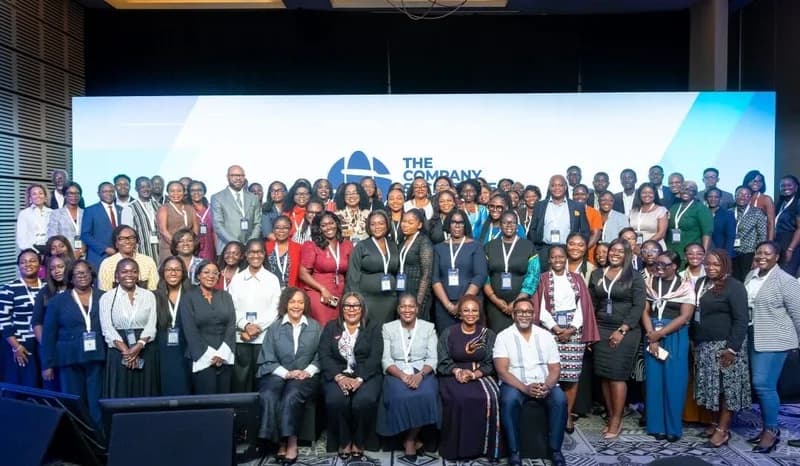
Ghana's corporate and small business landscapes are undergoing a strategic shift as experts call for a transition from mere visibility to long-term wealth creation and professionalized governance. This movement was highlighted at the inaugural Company Secretaries’ Summit held on July 16, 2026, at the Labadi Beach Hotel in Accra. Organized by Mindful Governance under the theme 'Governance as Value Creation,' the summit emphasized that the role of company secretaries is evolving from administrative support to critical value drivers within the corporate structure. Keynote speakers, including the Registrar of Companies, Maame Samma Peprah, and Karl George, MBE, explored the integration of artificial intelligence (AI) in governance, urging professionals to adopt AI frameworks responsibly to enhance decision-making. The event also recognized six governance leaders for their outstanding contributions, marking the summit as a new annual fixture in Ghana’s corporate calendar.
While the corporate sector focuses on governance, small and medium-sized enterprises (SMEs) are being encouraged to rethink their fundamental business philosophies. Expert analysis from Dr. Ibn Kailan Abdul-Hamid suggests that many Ghanaian SMEs fail because they prioritize production and sales over a genuine 'marketing orientation' that understands and meets customer needs. For solo entrepreneurs and small business owners, the shift involves moving beyond the budget-heavy traditional advertising to focus on building authentic personal brands, managing intellectual property, and establishing reliable customer relationships. These 38 core strategies for solo owners include leveraging digital tools like WhatsApp Business and Google Business Profiles, alongside consistent high-quality delivery, to build lasting brands in an increasingly competitive market.
This push for strategic business development was vividly demonstrated at the Women in SME Fair in Accra, organized by the Women of Africa Network and Consolidated Bank Ghana (CBG). The fair showcased high-quality Ghana-made products ranging from food to beauty items, highlighting the readiness of women-led businesses to compete under the African Continental Free Trade Area (AfCFTA). CBG's leadership emphasized that supporting these entrepreneurs with financial services and investor connections is vital for converting local talent into global commercial success. Similarly, practitioners in Ghana's creative industry have been warned that international visibility in music, film, and fashion is insufficient without ownership and robust infrastructure. The consensus across industries is clear: for Ghanaian talent to translate into sustainable wealth, there must be a shift from celebrating popularity to building long-term assets and institutionalizing business processes.
This story touches markets covered on Anansi Intelligence ↗.
More from business
Continue exploring similar stories


