••
Ghana Navigates Burkina Faso Tomato Export Ban with Diplomatic Talks and Calls for National Emergency Strategy
•3 min read•10 sources
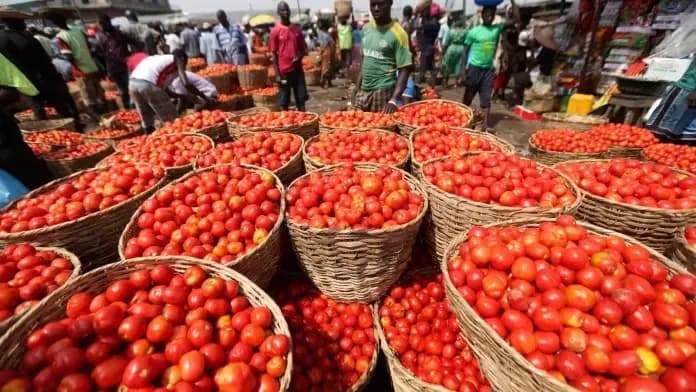
The Government of Ghana is moving to resolve a significant trade disruption following a directive from Burkina Faso that suspended the export of fresh tomatoes, effective March 16, 2026. The Ministry of Trade, Agribusiness and Industry has initiated diplomatic engagements with Burkinabe authorities to understand the reasoning behind the ban and to find a mutually beneficial resolution. This suspension has raised immediate concerns among Ghanaian traders and consumers, as the country relies heavily on its neighbor for tomato supplies, particularly during the off-season. Government officials have urged stakeholders to remain calm while negotiations proceed to stabilize market prices and preserve long-standing trade relations.
In response to the crisis, the Chamber of Agribusiness Ghana (CAG) has called for the immediate activation of a National Tomato Emergency Strategy. CAG CEO Anthony Kofituo Morrison characterized the ban as a 'wake-up call' for Ghana to address its food security vulnerabilities. The Chamber is proposing a comprehensive seven-point plan, which includes the appointment of a National Strategy Director and the establishment of an inter-ministerial committee. Central to their proposal is a request for the government to allocate GH¢ 430 million in the 2026 Supplementary Budget to fund vital irrigation infrastructure, provide farmer support, and launch the 'Grow Ghana Agro-Corporate Partnership Framework' to attract private investment.
The Ministry of Food and Agriculture (MoFA) has acknowledged the severity of the situation, with officials warning that the ban could lead to significant price hikes similar to past shortages. While the government is promoting initiatives such as 'Feed Ghana' and 'Feed the Industry' to boost local production, experts point out that the lack of consistent irrigation, adequate funding, and modern equipment remains a major hurdle. Plans are currently underway to establish farm service centers for improved seedlings and to fast-track the construction of a domestic tomato processing plant to reduce reliance on imports and stabilize the local value chain.
Beyond the tomato trade, broader tensions have emerged in the agricultural sector, highlighted by recent demands from traders in the Dormaa Municipality. During a regional tour, Paramount Chief Osagyefo Oseadeeyo Agyemang Badu II appealed for an investigation into the destruction of over GH¢ 10 million worth of eggs exported to Burkina Faso. These combined events underscore the urgent need for a more resilient and self-sufficient agricultural policy. As Ghana pushes for increased domestic yields and explores protective trade measures, the outcome of the current diplomatic talks with Burkina Faso will be critical in determining the immediate stability of the nation's food supply and the livelihoods of thousands of agribusiness workers.
This story touches markets covered on Anansi Intelligence ↗.
More from politics
Continue exploring similar stories


