••
Bank of Ghana Warns of Jail Time for Coin Rejection as SEC Blacklists 23 Investment Schemes
•3 min read•23 sources
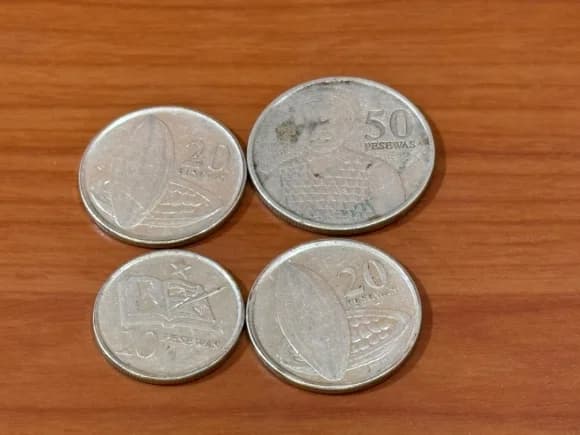
The Bank of Ghana (BoG) has intensified its regulatory oversight, issuing a stern warning that refusing to accept legal cedi coins for transactions is a criminal offense punishable by up to three years in prison. In a series of notices released on July 22, 2026, the central bank expressed concern over the "widespread and persistent refusal" by traders, transport operators, and businesses to accept lower denomination coins, including the 1, 5, 10, 20, and 50 pesewa coins. Under the Currency Act of 1964 (Act 242), all issued coins remain legal tender, and the BoG has signaled its intention to collaborate with law enforcement to arrest and prosecute offenders, including business owners who direct their staff to reject the currency based on personal preference or convenience.
This crackdown on currency misuse extends to social practices, with Governor Dr. Johnson Asiama announcing a ban on the "spraying" of cedi notes at social gatherings. During a Monetary Policy Committee briefing, the Governor labeled the practice of throwing or displaying cash at ceremonies as inappropriate behavior that demeans the national currency. Simultaneously, the BoG has closed the window for unlicensed digital credit providers to regularize their operations. Following a June 30, 2026, deadline, the central bank warned that non-compliant mobile loan applications will face severe regulatory actions and sanctions. This move is aimed at protecting consumers from harassment, data privacy violations, and predatory loan terms that have emerged in the rapidly expanding digital credit sector.
In a parallel effort to safeguard the financial sector, the Securities and Exchange Commission (SEC) has identified and blacklisted 23 unlicensed entities offering investment products via social media and online platforms. Firms such as Afri Hub, BG Wealth, and Ultima Cryptocurrency Group were named as operating outside the Securities Industry Act, 2016. The SEC urged the public to verify the licensing status of any firm before committing funds, emphasizing that these unauthorized schemes pose a significant risk to investors. This warning coincides with a report from the Cyber Security Authority (CSA) revealing that restaurant and food vendor impersonation scams cost Ghanaians nearly GH"300,000 in the first half of 2026, more than tripling the losses recorded in the same period last year.
Beyond financial regulation, the High Court in Accra has delivered a significant ruling in a high-profile property dispute, granting UK-based Cola Holdings and its Receiver, Nii Amanor Dodoo, the right to take possession of the No. 1 Oxford Street Hotel in Osu. Justice Faraday Johnson authorized the use of police assistance to reclaim the property, which is linked to businessman Nana Kwame Bediako. Despite opposition from Kensington Residential Partners 1 Limited, the court confirmed Cola Holdings' registered security interest. These collective actions by the judiciary, the BoG, and the SEC underscore a broad and aggressive push toward legal compliance and consumer protection across Ghana’s physical and digital business landscape.
This story touches markets covered on Anansi Intelligence ↗.
Live rates
Bank of Ghana policy rate →More from business
Continue exploring similar stories


