••
Ghana to Implement Real-Time Biometric SIM Verification by 2026 Following 16-Year Identity Evolution
•2 min read•1 source
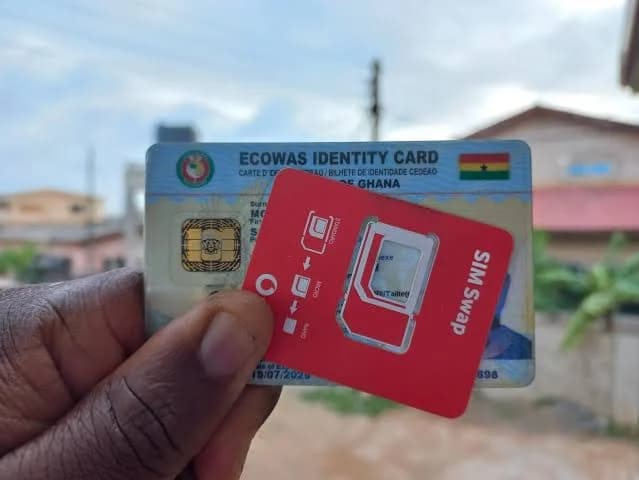
Ghana is set to implement a new real-time biometric verification system for SIM cards by 2026, marking a significant milestone in the country’s 16-year journey toward securing its telecommunications landscape. This move, overseen by the administration of President John Mahama, aims to address persistent data integrity gaps and combat the rising tide of mobile fraud. The transition from basic identification methods to sophisticated biometric synchronization represents a fundamental shift in how the state manages digital identity and national security in an increasingly connected world.
The journey toward a secure mobile ecosystem began in July 2010 when mandatory SIM registration was first introduced to link mobile numbers to identifiable individuals. This initial phase laid the groundwork for a more robust second phase between 2021 and 2023, which mandated the use of the Ghana Card for registration. During this period, millions of Ghanaians submitted biometric data to mobile network operators, though the process was often hampered by significant logistical hurdles, including long queues and technical system failures that delayed the national transition.
Despite these multi-year efforts, a 2025 validation exercise revealed significant discrepancies in SIM data integrity, prompting the government to pursue more advanced technical solutions. To resolve these vulnerabilities, authorities are introducing the Central Equipment Identity Register (CEIR) and a more rigorous verification process. The upcoming system will perform real-time biometric checks against the National Identification Authority (NIA) database, ensuring that every SIM card in use is legitimately tied to a verified identity and making it nearly impossible for fraudulent actors to bypass registration protocols.
As Ghana prepares for the 2026 rollout, the focus remains on enhancing device management and deterring fraudulent activities that have historically plagued the mobile money and telecommunications sectors. This technological overhaul is expected to provide a more secure digital environment for citizens while streamlining the interaction between telecommunications companies and national security agencies. The success of this initiative will depend on the seamless integration between the NIA and mobile network operators to avoid the registration bottlenecks and public frustration experienced during previous registration cycles.
Related topic
John Mahama: Latest News & Updates →
