••

Ghana's basic education sector is currently navigating a complex landscape of infrastructure deficits and resource shortages, prompting a significant wave of interventions from traditional leaders, corporate bodies, and political aspirants. While many schools struggle with deteriorating facilities and inadequate furniture that have led to declining student attendance, targeted support in the areas of technology, sanitation, and basic amenities is providing a vital lifeline. These developments highlight the critical role of external stakeholders in augmenting government efforts to maintain educational standards and ensure student retention across the country.
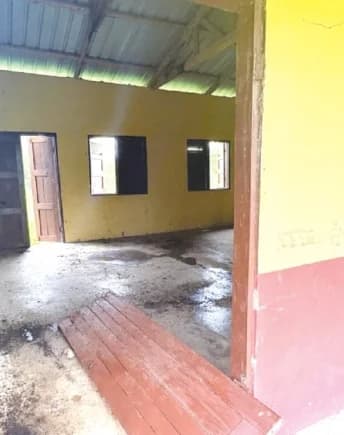
In the Central and Eastern Regions, the severity of the infrastructure crisis has reached a breaking point for several communities. At Bantuman Akyinim Basic School in Elmina, the lack of basic furniture forced many of the 590 remaining students to sit on bare floors, a sight that moved the Development Chief of the Edina Traditional Area, Nana Ekow Ankama I, to donate 50 desks. The school’s population has notably plummeted from 1,050 due to these poor conditions. Similarly, at Kamalo D/A Junior High School in the Kwahu Afram Plains, a three-unit classroom block funded by petroleum revenues and completed in 2021 has been completely abandoned. A lack of ceiling installations allowed for a massive bat infestation, forcing students into open-sided pavilions and prompting the Public Interest and Accountability Committee (PIAC) to call for urgent maintenance to prevent further academic decline.
Conversely, some districts are seeing advancements through strategic donations aimed at modernization and health. In the Nhyiaso constituency, NPP chairmanship aspirant Mr. Kwadwo Owusu Bempah recently commissioned a new ICT Centre, a mechanized borehole, and a canteen shed for the Atasemanso M/A Junior High School. These facilities, dedicated to the memory of the late Mr. George Kofi Adjei, are designed to provide practical technological knowledge to 40 pupils at a time while ensuring the school has a reliable source of clean water. Meanwhile, in the Birim North District, the 'Purple Peach Project'—a collaboration between the Ghana Chamber of Mines and Zijin Golden Ridge Limited—is addressing menstrual poverty. The initiative is providing 1,036 female students across 16 schools with an eight-month supply of sanitary towels to ensure they can manage their hygiene with dignity and avoid absenteeism.
These varied interventions underscore a broader movement toward achieving the United Nations Sustainable Development Goals related to health, education, and gender equality in Ghana. While the donation of desks and the clearing of infestations address immediate physical barriers to learning, the provision of ICT infrastructure and menstrual hygiene products focuses on long-term student empowerment. Educators and traditional leaders continue to urge the government and additional philanthropists to prioritize the maintenance of existing school buildings and the provision of essential equipment to ensure that no child's education is hindered by their physical learning environment.
This story touches markets covered on Anansi Intelligence ↗.
Related topic
NPP (New Patriotic Party): Latest News →Continue exploring similar stories


