••
Ghana Bolsters Environmental Protection: Barekese Catchment Undergoes Reforestation as Dodowa Residents Fight to Save Sacred Forest
•3 min read•6 sources
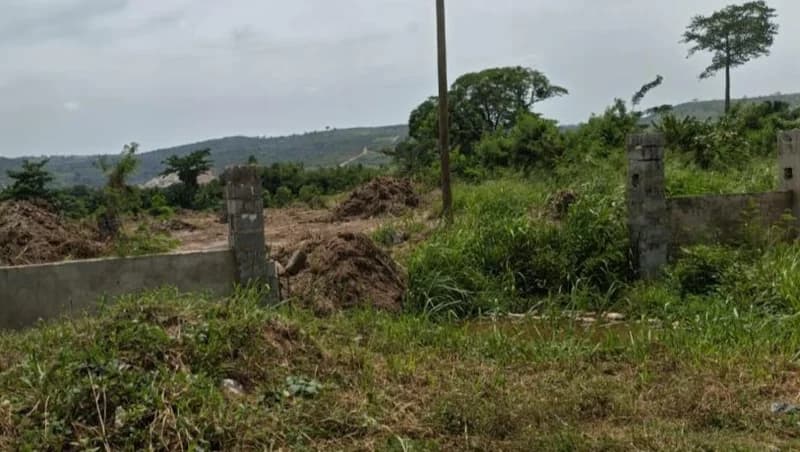
Ghana’s environmental landscape is currently a focal point of both restoration and resistance as authorities launch a major reforestation project at the Barekese Water Treatment Plant while residents in Dodowa battle to save a historic forest from urban development. In the Ashanti Region, Ghana Water Limited (GWL) has partnered with the Atwima Nwabiagya North District Assembly and the Nkawie Forest District to plant 5,000 trees within the Barekese catchment area. This initiative, part of the government’s ‘Tree for Life’ program, aims to reclaim a buffer zone that has been severely degraded by illegal mining and agricultural activities, threatening the primary water source for the Kumasi Metropolis. The project focuses on three specific species—Cidrella, Oframo, and Mahogany—selected for their rapid growth and ecological resilience to ensure the long-term sustainability of the region's water supply. Simultaneously, in the Greater Accra Region, a tense standoff has emerged as traditional leaders, environmentalists, and residents of Dodowa and Shai protest the clearing of parts of the sacred Dodowa Forest. The clearing is reportedly intended to create a temporary market space for traders during the redevelopment of the main Dodowa Market. Local representatives, including spokesperson Mr. Bright Adjartey Apperkon, have alleged that the destruction began under the direction of Member of Parliament Madam Linda Akweley Ocloo. Protesters emphasize that the forest represents over 200 years of cultural and environmental heritage, serving as a critical ecological resource for biodiversity and climate regulation. They argue that replacing this sacred green space with a market will lead to severe sanitation issues and the permanent loss of local identity. These two contrasting events highlight the ongoing struggle in Ghana to balance essential infrastructure development with the preservation of natural resources. While the Barekese project demonstrates a collaborative institutional effort to repair past environmental damage, the situation in Dodowa underscores the importance of community stewardship and the need for development plans that respect historical and ecological landmarks. Experts warn that without strict maintenance of newly planted areas in Barekese and a halt to the destruction in Dodowa, the country faces significant risks to its water security and environmental stability. Moving forward, stakeholders in both regions are calling for increased accountability and a more sustainable approach to land management. In Barekese, the focus shifts to the long-term maintenance of the 5,000 saplings to ensure they reach maturity. Meanwhile, the Dodowa community continues to urge the government and local authorities to find alternative sites for the temporary market, insisting that the preservation of their 200-year-old heritage must take precedence over short-term economic convenience.
This story touches markets covered on Anansi Intelligence ↗.
More from africa
Continue exploring similar stories


