Ghana News AI
HomeBriefsAsk GhanaAnalysisTopicsAbout
•
•

Stay Informed

Get AI-curated news briefs from Ghana delivered to your inbox every morning. Free forever, no spam.

Explore

  • Home
  • Briefs
  • About

Categories

  • Politics
  • Business
  • Sports
  • Entertainment
  • Africa

Features

  • Analysis
  • Cedi Rates
  • Dollar to Cedi
  • Ghana Gold Price

Topics

  • All Topics
  • Armed Forces Recruitment
  • Immigration Service Recruitment
  • Fire Service Recruitment
  • Prisons Service Recruitment
  • Customs Recruitment
  • WAEC Results & News
  • Ghana Education Service

Legal

  • Privacy Policy
  • Terms of Service
Ghana News AI© 2026 Ghana News AI. All rights reserved.
Made withfor Ghana
business

Ghana’s Economic Landscape Evolves Through Regional Banking Expansion, Port Modernization, and Infrastructure Upgrades

18th April•3 min read•23 sources
Ghana’s Economic Landscape Evolves Through Regional Banking Expansion, Port Modernization, and Infrastructure Upgrades
  1. Home
  2. /Business
  3. /Ghana’s Economic Landscape Evolves Through Regional Banking Expansion, Port Modernization, and Infrastructure Upgrades

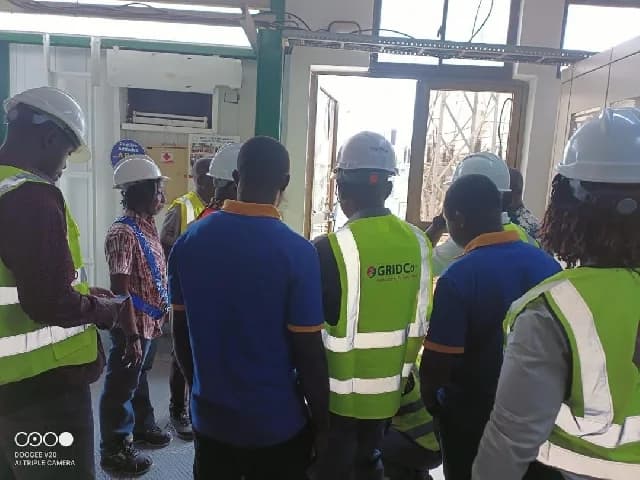
Ghana’s business landscape is undergoing a significant transformation as major players across banking, logistics, and energy unveil ambitious expansion and modernization plans. GCB Bank PLC is currently negotiating to acquire Liberia’s third-largest bank, a move led by Board Chairman Professor Joshua Alabi to strengthen the bank's regional presence in West Africa. Simultaneously, Meridian Port Services (MPS) has significantly bolstered the capacity of Tema Port with the receipt of 16 advanced electric Rubber Tyred Gantry cranes (eRTGs). This investment, part of a joint venture involving GPHA and APM Terminals, aims to increase the terminal’s handling capacity to 3 million TEUs, positioning Ghana as a primary trade hub. These developments are supported by a major energy infrastructure drive by GRIDCo and the Electricity Company of Ghana (ECG) to upgrade transmission lines in the Volta and Oti Regions from 69 kV to 161 kV by 2026.

In the agricultural sector, the Ghana Chamber of Agribusiness is advocating for a digital revolution to solve a 'communication crisis' affecting over seven million farmers and processors. The Chamber is urging telecom operators to provide zero-rated communication services to reduce post-harvest losses and enhance coordination, framing connectivity as essential economic infrastructure. This push for modernization is complemented by the government’s assessment of the Badu Grain Storage facility to strengthen food buffer systems and private initiatives to empower traditional women leaders through poultry production support. However, corporate integrity remains a focal point as CFAO Mobility Ghana PLC addresses an impoundment scandal at Tema Harbour. The company has pledged full cooperation with the DVLA to investigate fraudulent clearance methods involving external agents, reaffirming its commitment to ethical operations.

Financial inclusion and social welfare initiatives are also gaining momentum to support the workforce. The National Service Authority (NSA) has partnered with Absa Bank to launch a zero-interest overdraft facility, allowing National Service Personnel to access up to 85% of their monthly allowances in advance to mitigate payment delays. For the informal sector, which constitutes 85% of the workforce, the National Pensions Regulatory Authority (NPRA) is intensifying outreach for the third-tier pension scheme to ensure long-term financial security. Additionally, the Eni Ghana-led healthcare initiative in the Western Region and the opening of a Ghanaian-owned neurorehab clinic in Dubai demonstrate the expanding reach of Ghanaian expertise and corporate social responsibility in the health sector.

As Ghana navigates these internal growth milestones, the domestic market remains sensitive to global shifts, such as the recent drop in Brent crude oil prices to $88 per barrel following the reopening of the Strait of Hormuz. While global factors and industry challenges like streaming fraud impact the broader economy, the focus remains on domestic stability and infrastructure reliability. Ongoing maintenance by the ECG in the Ashanti and Tema regions highlights the continuous effort to refine the utility services necessary for industrial growth. Collectively, these initiatives across banking, agriculture, and logistics signal a concerted effort to build a resilient, modernized economy capable of competing on both regional and international stages.

Our Take

From the Team

Coming Soon

Our team will add key insights, trends, and actionable takeaways to help you stay informed faster.

This story touches markets covered on Anansi Intelligence ↗.

More from business

Continue exploring similar stories

Ghanaian Cedi Maintains Stability Against US Dollar; Sells at GHS 12.25 in Forex Market
business|2 days ago

Ghanaian Cedi Maintains Stability Against US Dollar; Sells at GHS 12.25 in Forex Market

The Ghanaian Cedi showed remarkable resilience on July 4, 2026, maintaining a stable position against the United States Dollar with only marginal fluctuations from previous sessions. According to the latest market data, the average buying rate stood at GHS 11.17, representing a slight one-pesewa increase, while the selling rate dipped by a single pesewa to GHS 11.89. This relative calm in the foreign exchange market suggests a period of consolidation for the local currency amidst shifting global economic trends and internal market dynamics. The disparity between the official interbank rates and the retail forex bureau market remains a key point of observation for businesses and investors. On the Bank of Ghana (BoG) interbank market, the cedi was quoted at GHS 11.38 for buying and GHS 11.40 for selling. However, at various forex bureaus across the country, the rates were slightly higher, with the dollar being purchased at GHS 11.80 and sold at GHS 12.25. Performance against other major international currencies was also notable; the British Pound was traded at an average of GHS 14.65 for buying and GHS 15.83 for selling, while the Euro was pegged at GHS 12.65 and GHS 13.61 for buying and selling, respectively. For the average consumer and the Ghanaian diaspora, the stability of the exchange rate is reflected in the pricing of digital services and remittance flows. Digital subscription costs for popular platforms such as Netflix and Spotify were recorded at GHS 12.22 and GHS 12.23, respectively, aligning closely with the prevailing market rates. Furthermore, money transfer operators including LemFi and Taptap Send continue to provide competitive rates for remittances from the United States and the United Kingdom, ensuring that the cost of sending money home remains predictable. This current stability provides a much-needed reprieve for importers and service consumers who rely on consistent exchange values for their long-term financial planning.

Dangote Petroleum Refinery Invests $4.48 Billion in 40.4 Million Barrels of Crude Imports to Stabilize Operations
business|2 days ago

Dangote Petroleum Refinery Invests $4.48 Billion in 40.4 Million Barrels of Crude Imports to Stabilize Operations

The Dangote Petroleum Refinery has significantly scaled its operations, importing 40.40 million barrels of crude oil over a concentrated two-month period between May and June 2026. This massive procurement effort, valued at approximately $4.48 billion, underscores the facility's burgeoning role as a major player in the global energy market. By securing such a substantial volume of feedstock, the refinery is positioning itself to meet growing demand and stabilize its production cycles as it moves toward full operational capacity. This level of investment highlights the refinery's commitment to maintaining a steady supply of crude to power its industrial processes. The release of these figures serves a strategic purpose beyond mere reporting; it aims to dispel persistent rumors and misinformation regarding the refinery's procurement costs and financial health. Management clarified that the prices paid for crude oil are not subject to the volatile fluctuations of daily international market rates, which often lead to speculative inaccuracies. Instead, the refinery operates under sophisticated long-term contracts where pricing is determined by monthly average benchmarks. This structured approach ensures a more predictable cost base for the refinery’s refining processes and helps protect its operational margins from sudden market shocks that could otherwise disrupt the local energy market. As the Dangote Refinery continues to ramp up its activities, these import figures highlight the sheer scale of the investment and the logistics involved in powering one of Africa's most ambitious industrial projects. The successful management of $4.48 billion in feedstock imports in just two months reflects a robust supply chain strategy and a high level of confidence from international partners. Looking ahead, the refinery's ability to maintain these long-term pricing agreements will be critical in determining its long-term profitability and its broader impact on fuel availability and pricing across the West African sub-region.

African Startup Ecosystem Secures $3.9 Billion as Funding Activity Rebounds in 2025
business|2 days ago

African Startup Ecosystem Secures $3.9 Billion as Funding Activity Rebounds in 2025

African startups have demonstrated remarkable resilience in the face of global economic shifts, successfully raising a total of $3.9 billion across 506 deals throughout 2025. According to a comprehensive report from Bloomwit Africa, this significant influx of capital signals a robust recovery for the continent's technology and business landscape following previous periods of market volatility. The data suggests that investor confidence is returning to the region, driven by the increasing maturity of local ventures and the continued digital transformation across various sectors. The report highlights that when combining both equity and debt financing, total technology funding actually surpassed the $4 billion mark. This represents a 25% year-on-year increase, reflecting a healthy trajectory for growth compared to the prior year. A particularly notable trend in 2025 was the rise of venture debt as a primary source of capital. This shift indicates that African founders are becoming more sophisticated in their capital structuring, opting for debt to fuel expansion while minimizing equity dilution. This breadth of investment activity is critical for the long-term sustainability of the African digital economy. With over 500 deals recorded, the funding is being distributed across a wider variety of stages and sectors, rather than being concentrated solely in high-profile "mega-rounds." This diversification is essential for fostering a competitive environment where early-stage startups have the resources to scale into established market leaders. Looking ahead, the $3.9 billion milestone positions Africa as a key frontier for high-growth technology investments. While challenges such as currency fluctuations and regulatory hurdles persist, the 2025 performance underscores the continent's capacity for innovation. The continued integration of diverse financing models and the steady recovery of equity markets suggest that African startups are better prepared to navigate the global financial climate while driving significant local economic impact and job creation.

Blue Rose Estate CEO Eric Ebo Acquah Honored with Leadership Excellence Award for Affordable Housing
business|2 days ago

Blue Rose Estate CEO Eric Ebo Acquah Honored with Leadership Excellence Award for Affordable Housing

Eric Ebo Acquah, the Chief Executive Officer of Blue Rose Estate Ltd, has been recognized for his exceptional contributions to the real estate sector at the 10th Ghana CEO Summit. Held at the Kempinski Hotel Gold Coast City in Accra, the summit presented Mr. Acquah with the Leadership Excellence Award in the Affordable Housing Category. This prestigious event, organized by CEO Network Ghana in collaboration with industry leaders Deloitte, PwC, EY, and the Ghana Investment Promotion Centre (GIPC), centered on the theme of driving Ghana’s economic transformation through visionary leadership and innovative business practices. Under Mr. Acquah’s leadership, Blue Rose Estate has established itself as a cornerstone of the Ghanaian real estate market over its 37-year history. To date, the company has successfully delivered more than 2,500 homes, significantly contributing to narrowing the national housing deficit and providing quality shelter for citizens. This latest award adds to a growing list of accolades for Mr. Acquah, who has previously been conferred with the state honor of the Order of the Volta and was named the Most Respected CEO in Africa within the Real Estate category, underscoring his influence and reputation across the continent. Speaking after receiving the award, Mr. Acquah dedicated the achievement to the collective effort of the Blue Rose team, noting that their shared commitment to sustainable and affordable housing solutions remains the company's primary focus. He expressed his gratitude to the summit organizers and stakeholders for their continued support, emphasizing that such recognition serves as a catalyst for further excellence. By prioritizing affordability, Blue Rose Estate aims to provide high-quality living standards for diverse segments of the Ghanaian population while maintaining high construction standards. The 10th Ghana CEO Summit serves as a high-level platform for business leaders and policymakers to discuss strategies for national growth. The recognition of affordable housing solutions highlights a critical pillar of economic development, as the sector plays a vital role in job creation and social stability. As Ghana continues to seek private-sector partnerships to solve infrastructure challenges, the success of leaders like Mr. Acquah provides a blueprint for how indigenous companies can effectively align corporate objectives with national developmental priorities.

All
africa
business
education
entertainment
health
news
politics
sports
technology