••
Ghana Strengthens Environmental Protections Amid Bagre Dam Spillage Alerts and Impending Plastic Ban
•2 min read•7 sources
Authorities in Ghana and Burkina Faso are bracing for a critical period in regional water management as the Water Resources Commission (WRC) warns of an imminent spillage from the Bagre Dam. Scheduled to begin as early as August 11, 2026, the controlled release is contingent on water levels reaching the 234.00-meter mark. As of early August, the dam was recorded at 62.77% capacity, prompting the WRC to urge residents along the White Volta River to take immediate precautions and adhere to safety directives from local authorities to prevent loss of life and property.
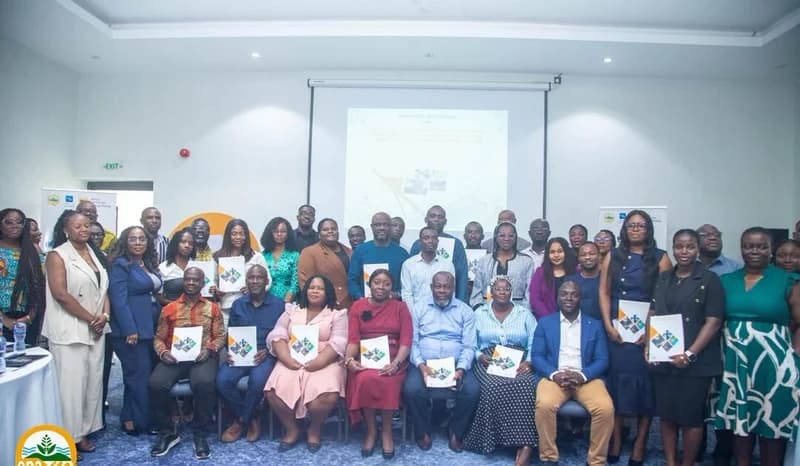
Complementing these disaster management efforts, stakeholders in the White Volta River Basin have validated a new draft regulatory framework to address the destructive impact of illegal sand mining. During a recent forum in Tamale, organized by Catholic Relief Services (CRS) in collaboration with local authorities, over 120 participants committed to a sustainable management plan. This initiative is designed to protect the watershed and improve water security in Northern Ghana, addressing the environmental degradation that often exacerbates the impact of seasonal flooding and threatens local livelihoods.
On the national policy front, President John Mahama’s administration is moving forward with a landmark ban on Expanded Polystyrene (EPS) products, including takeaway containers, effective January 1, 2027. The policy aims to tackle Ghana's massive plastic waste problem, which currently exceeds one million tonnes annually. While the Environmental Protection Agency (EPA) views the ban as essential for public health and environmental sustainability, the Ghana Plastic Manufacturers’ Association (GPMA) has called for the deadline to be extended to 2030. Manufacturers and small-scale food vendors argue that the transition requires more time to develop affordable, innovative packaging alternatives to replace the low-cost but polluting foam containers.
These efforts are part of a broader environmental agenda that includes the EPA's newly introduced national guidelines for the oil and gas sector. These standards focus on the inspection, monitoring, and reporting of fugitive methane emissions, a greenhouse gas significantly more potent than carbon dioxide. By enforcing leak detection and curbing routine gas venting, Ghana aims to meet its Paris Agreement commitment to reduce emissions by 15% by 2030. As the nation navigates these transitions, the focus remains on balancing economic affordability with the urgent need for sustainable innovation and robust waste management systems.
This story touches markets covered on Anansi Intelligence ↗.
Related topic
John Mahama: Latest News & Updates →More from africa
Continue exploring similar stories


