••
Ghana’s Automotive and Manufacturing Sectors Push for Policy Reforms to Anchor Industrial Growth
•3 min read•4 sources
At the 2026 Citi Business Festival, industry leaders and policymakers highlighted Ghana’s significant progress in industrialization, focusing on the automotive sector's evolution from simple vehicle assembly to a comprehensive manufacturing ecosystem. Since the introduction of the automotive development policy in 2019, the landscape has become increasingly competitive, with a growing number of licensed assemblers successfully driving down local vehicle prices. However, stakeholders at the final roundtable discussion emphasized that the current juncture requires a strategic "policy reset" to maintain momentum and solidify Ghana’s position as a regional hub under the African Continental Free Trade Area (AfCFTA).
Central to these discussions is the critical review of Value Added Tax (VAT) exemptions for locally assembled vehicles. Industry experts noted that the suspension of these fiscal incentives has hindered production and diminished the competitiveness of local vehicles against cheaper imported used cars. Kwasi Ofori-Antwi, representing the Ministry of Trade, confirmed that a policy review is currently underway to address these industry concerns. Beyond taxation, the sector is looking toward deepening the local value chain through technical initiatives, including the establishment of an advanced automotive laboratory in Suame Magazine and the planned local production of industrial fasteners by late 2026.
To successfully transition into a full-scale manufacturing industry, stakeholders have called for a multi-pronged approach that includes enforcing local content requirements in government procurement and expanding vehicle financing options for consumers. There is also a strong push for a local component manufacturing policy designed to integrate the informal sector into the formal automotive supply chain. By addressing operational hurdles such as high electricity costs and enforcing strict vehicle standards, Ghana aims to create a sustainable environment that supports both local demand and export potential across the continent.
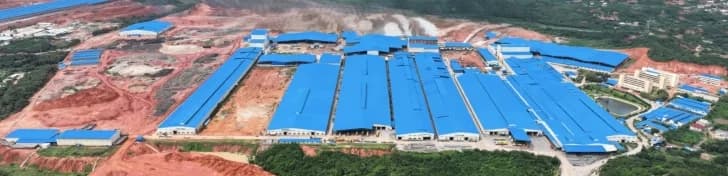
This industrial shift is already yielding tangible results in other sectors, as evidenced by Twyford Ghana being named the "Tile & Ceramic Manufacturing Company of the Year" at the 9th Ghana–West Africa Business Excellence Awards. Twyford has successfully transitioned from a local supplier to an international exporter, shipping "Made in Ghana" products to over 25 countries. This success story underscores the potential for Ghanaian manufacturing to move beyond traditional resource extraction toward high-value-added production that competes effectively on a global stage.
The consensus among business leaders remains one of optimism, tempered by a call for long-term policy consistency and regional cooperation. As Ghana moves toward a manufacturing-led economy, the collaboration between the private sector and the government will be vital in navigating global market conditions. Strengthening the automotive value chain and supporting successful industrial models like Twyford will not only foster economic resilience but also ensure that the benefits of industrialization—such as job creation and technical skill development—are felt across the national economy.
This story touches markets covered on Anansi Intelligence ↗.
More from business
Continue exploring similar stories


