••
Ghana Uncovers GH’6.1 Billion in Fraudulent Claims Amid Massive Audit of Government Arrears
•3 min read•40 sources
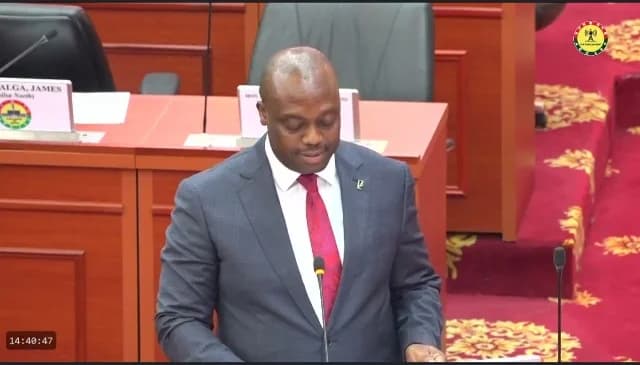
A landmark forensic audit of Ghana’s public financial management has revealed a systemic culture of ‘plunder and abuse,’ leading the Ministry of Finance to reject GH’8.1 billion in questionable payment claims. Presenting the Auditor-General’s 2024 Report on Arrears and Payables to Parliament, Deputy Finance Minister Thomas Nyarko Ampem disclosed that while GH’45.4 billion of the GH’68.7 billion in reviewed claims were validated, billions more were flagged for irregularities, including unsupported documentation, fictitious debts, and forged records. Under the direction of President John Dramani Mahama, the government has referred these findings to the Attorney-General for criminal prosecution, signaling a decisive shift toward fiscal discipline and a ‘Triple-Lock’ accountability system intended to end the normalization of fraud in public spending.
Among the most startling revelations is a massive procurement and logistics scandal within the 2024 dry spell relief programme. The audit uncovered that 10,000 metric tonnes of rice and over 88,000 metric tonnes of maize remain unaccounted for, despite the government being billed GH’771.2 million for the supplies. Furthermore, a transportation firm was paid GH’61.7 million for deliveries that were only partially fulfilled, leading to the rejection of an additional GH’65.2 million in overpayment claims. In the health sector, the Agenda 111 initiative faced scrutiny as 35 contractors reportedly received $7.9 million in mobilization funds but failed to report to project sites or deliver work matching the payments. With mobilization guarantees now expired, the state is issuing surcharge notices to recover the disbursed funds.
Institutional rot was further highlighted by the discovery of GH’4.4 billion in ‘recycled’ contract claims, where payments for projects settled between 2020 and 2024 were resubmitted for a second payout. The Ministry of Roads and Highways accounted for GH’3.6 billion of these fraudulent attempts. Additionally, the audit thwarted a potential GH’159 million loss in ‘ghost’ teacher trainee allowances and exposed GH’89.4 million in fictitious debts under the One District, One Factory (1D1F) programme. Fraudulent activities involving forged Stores Receipt Advices (SRAs) were also identified at the Ministry of Finance and the Judicial Service, including claims for border patrol vehicles that were never delivered.
The findings have sparked intense debate in Parliament, with the report now referred to the Public Accounts Committee (PAC) for a three-week investigation. While some lawmakers, such as MP Kennedy Osei Nyarko, have attributed the irregularities to career civil servants rather than political leadership, others like Dr. Kabiru Tiah Mahama have cautioned against ‘scare tactics’ and called for due process and actual prosecutions. The Ministry of Finance has responded by enforcing a strict new policy: no future payments will be processed without full verification and explicit budgetary allocations. This audit represents a pivotal moment for Ghana’s Public Financial Management (PFM) system as the nation seeks to restore public trust and ensure that every cedi of taxpayer money is accounted for.
This story touches markets covered on Anansi Intelligence ↗.
Live rates
Dollar to cedi rate →More from politics
Continue exploring similar stories


