••
Ghana’s Governance Under Scrutiny: Audit Reveals Billions in Irregularities Amid High-Profile Legal Battles and Ethics Debates
•3 min read•34 sources
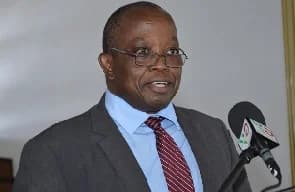
Ghana’s political and economic landscape is currently dominated by a series of high-stakes accountability crises, highlighted by a recent audit of public claims that uncovered GH¢8.1 billion in rejected demands due to irregularities. The audit, which reviewed GH¢68.7 billion in government arrears, validated only GH¢45.4 billion, revealing a pattern of duplicated invoices, inflated figures, and unsupported documentation. This financial exposé has triggered a wave of calls for prosecution from civil society leaders and former officials. Senyo Hosi, Convener of the OneGhana Movement, characterized the findings as evidence of a governance system designed to "loot the state," while former Auditor-General Daniel Yao Domelevo urged the immediate suspension of officials implicated in the report to ensure transparency before parliamentary investigations begin.
In response to these findings, the Ministry of Finance has introduced a "triple-lock" accountability framework to tighten control measures over public payments and has referred several cases to the Attorney-General for potential criminal prosecution. This push for accountability comes as high-profile figures from the previous and current administrations face legal scrutiny. Former Finance Minister Ken Ofori-Atta is reportedly seeking permanent residency in the United States while detained by ICE for a visa overstay, citing fears of an unfair trial in Ghana where he faces over 70 criminal charges related to financial misconduct. Simultaneously, former Health Minister Kwaku Agyemang-Manu is set to face charges in the coming weeks over the Sputnik V vaccine procurement saga, following investigations into contracts signed without parliamentary approval during the COVID-19 pandemic.
The debate over ethical governance has also extended to the presidency, specifically regarding President John Dramani Mahama’s use of a private jet owned by his brother, Ibrahim Mahama, for official travel to South Korea. While some commentators, such as Joe Jackson of Dalex Finance and former MP Inusah Fuseini, argue the arrangement is acceptable if handled with full transparency and cost-saving intent, others have raised sharp criticisms. Kofi Bentil of IMANI Africa warned that using a privately owned aircraft undermines the dignity of the office and poses significant national security risks, including potential sabotage. This controversy has been framed by critics like Andrew Egyapa Mercer as a potential distraction from pressing socioeconomic issues, such as the plummeting price of cocoa and a recruitment crisis in the security services, where only 5,000 positions are available for over 400,000 applicants.
As the nation grapples with these systemic failures, there is a growing consensus that reform must target both political leaders and the civil service bureaucracy. Franklin Cudjoe, President of IMANI Africa, emphasized that "milking the system" is a collaborative effort between politicians and career technocrats, necessitating a broader dialogue on public sector responsibility. Political figures like Akosua Manu have called for the reinstatement of anti-corruption initiatives like "Operation Recover All Loots" (ORAL) to demonstrate a genuine commitment to reform. Ultimately, the success of these accountability measures will depend on whether the government translates audit findings into meaningful legal consequences and structural changes that protect the public purse from future exploitation.
This story touches markets covered on Anansi Intelligence ↗.
More from politics
Continue exploring similar stories


