••
AU Day: Ghana Champions Regional Integration with New E-Visa System Amid Calls for Action on Xenophobia and Agenda 2063
•3 min read•27 sources
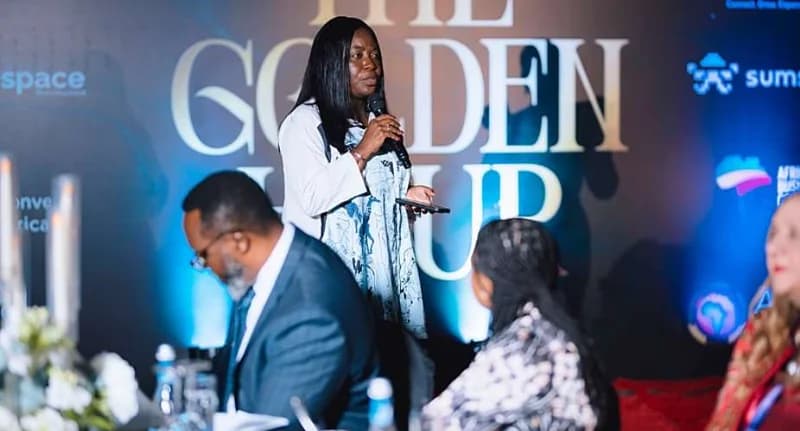
The commemoration of the 63rd African Union (AU) Day in Accra has served as a pivotal moment for African leaders and stakeholders to demand a transition from ceremonial rhetoric to tangible action. Highlighting Ghana's commitment to continental unity, Deputy Minister for Foreign Affairs James Gyakye Quayson announced the launch of a new electronic visa (e-Visa) system. This initiative simplifies travel by removing lengthy paperwork and offers free visa applications for all African passport holders, while non-Africans will be charged $260. The system, developed through a public-private partnership, aligns with the AU’s Free Movement Protocol and aims to bolster tourism and economic cooperation across the continent.
However, the spirit of Pan-Africanism faces severe tests due to renewed xenophobic tensions in South Africa. Ghana’s High Commissioner to South Africa, Benjamin Quashie, confirmed the phased evacuation of hundreds of Ghanaian nationals, with the first group of 200 to 300 citizens scheduled to arrive in Accra. This unrest drew sharp condemnation from Dr. Zanetor Agyeman-Rawlings, Second Deputy President of the Pan-African Parliament, who described the violence as a "shameful dent" on the continent’s conscience. Concurrently, Cletus Seidu Dapilah, Chairman of Parliament’s Foreign Affairs Committee, urged the AU to move beyond condemnation and consider sanctions against South Africa to protect the credibility of the African Continental Free Trade Area (AfCFTA).
Beyond immediate security concerns, experts are sounding the alarm on the slow pace of Africa’s long-term development frameworks. Dr. Daniel Amataye Anim-Prempeh, Chief Economist at the Policy Initiative for Economic Development (PIED), and Professor Lord Mawuko-Yevugah have both critiqued the implementation of Agenda 2063. While noting progress in youth development, they cited weak resource mobilization and fragmented trade negotiations as significant hurdles. They argued that for Africa to transform into a global powerhouse, leaders must treat Agenda 2063 as an urgent operational plan rather than a distant vision, focusing on flagship projects like the high-speed rail network and the Great Inga Dam.
The private sector is also stepping up to bridge these gaps, particularly in digital inclusion and human capital. MTN Group reaffirmed its commitment to the continent, highlighting an economic value-added of R150 billion and a workforce representing 74 nationalities. Meanwhile, Telecel Ghana CEO Patricia Obo-Nai emphasized the necessity of closing the gender gap in the digital economy, noting that women currently make up only 27% of STEM professionals in Africa. These corporate efforts, combined with cultural appeals for solidarity—such as musician Rex Omar’s call for stronger Ghana-Nigeria relations—underscore a collective realization that Africa’s future depends on leveraging its youthful population and technological innovation to ensure a unified, prosperous, and peaceful continent.
This story touches markets covered on Anansi Intelligence ↗.
More from africa
Continue exploring similar stories


