••
Government Overhauls Local Governance Funding and Procurement Rules to Drive Accountability and Infrastructure
•3 min read•36 sources
In a major move to strengthen decentralization and local governance, the Minister for Local Government, Chieftaincy and Religious Affairs, Ahmed Ibrahim, has announced the introduction of monthly allowances for Assembly Members and a significant 300% increase in stipends for traditional leaders. Speaking at the Government Accountability Series, the Minister revealed that Assembly Members, who have served for decades without structured pay, will now receive GH"1,300 monthly. Additionally, allowances for paramount chiefs and queen mothers have been raised from GH"1,000 to GH"3,000. These financial interventions are part of a broader fiscal package that saw the government disburse over GH"5 billion to Metropolitan, Municipal, and District Assemblies (MMDAs) in 2025 to fund critical infrastructure, including 494 CHPS compounds and 261 economy model markets.
While the government is pumping resources into local assemblies, it is also pursuing aggressive structural reforms. Plans are underway to repeal the Middle Belt and Coastal Development Authorities, transferring their legacy projects to other management structures to streamline development. However, these top-down reforms face localized challenges; in Gbintiri, residents and traditional leaders have launched a revenue boycott, citing neglect and exclusion from the 24-hour economy initiative. Meanwhile, the Public Accounts Committee has intensified its oversight, holding zonal hearings in the Ashanti Region to address financial irregularities identified in the 2024 Auditor-General’s report, specifically targeting abandoned public structures and municipal mismanagement.
Efforts to safeguard public funds have extended to national agencies, with the National Service Authority (NSA) successfully slashing its annual payroll from GH"1.5 billion to GH"700 million after a rigorous audit eliminated over 80,000 "ghost names." This drive for fiscal integrity is being complemented by proposed legislative amendments to the Public Procurement Act. Experts and officials, including David Sebastian Damoah of Parliament, are advocating for stricter rules and greater transparency in sole-sourcing to prevent price inflation. There are growing calls to make the Public Procurement Authority (PPA) a fully independent body to insulate it from political influence and ensure value for money in high-value state contracts.
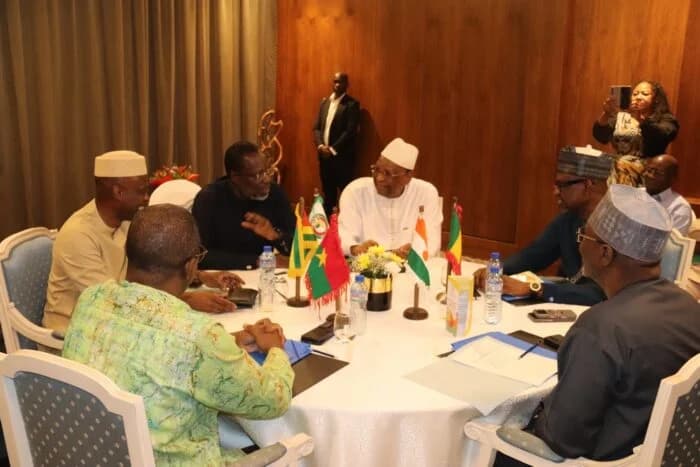
On the diplomatic front, Ghana is seeking to leverage its international relationships for economic and social gain. Vice President Naana Jane Opoku-Agyemang recently urged Ghanaians in Spain to utilize a new immigration amnesty to regularize their status, while Foreign Affairs Minister Samuel Okudzeto Ablakwa pushed for more reciprocal trade deals with Spanish authorities. Regionally, Ghana is deepening its "Africa-to-Africa" investment drive, evidenced by technological collaborations with Zambia and monitoring Togo’s new diplomatic strategy with the Sahel States Alliance. These international efforts, combined with domestic registration improvements that recorded over 78,000 deaths in 2025, signal a comprehensive attempt by the administration to modernize state records and international standing.
Looking ahead, the government’s focus remains on performance-based governance. Minister Ibrahim has issued a stern warning to MMDCEs to prove their effectiveness, particularly in sanitation management, or risk removal. As the National Service Authority begins nationwide inspections to ensure employers only hire graduates with valid certificates, and the Minerals Income Investment Fund (MIIF) seeks deeper civil society partnerships, the emphasis is shifting toward a culture of compliance and transparency. The success of these initiatives will depend on the government’s ability to resolve local grievances like those in Gbintiri while maintaining the momentum of its legislative and fiscal reforms.
This story touches markets covered on Anansi Intelligence ↗.
More from politics
Continue exploring similar stories


