••
Ghana Advances Socio-Economic Development with New Private Teaching Hospital, Housing, and Environmental Initiatives
•3 min read•6 sources
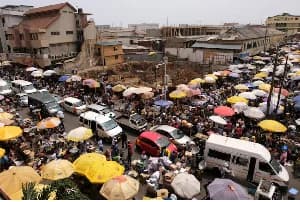
Ghana is witnessing a significant surge in infrastructure and socio-economic development as several high-impact projects across the healthcare, housing, and environmental sectors take shape. In a landmark move for medical education, Garden City University (GCU) has commenced the construction of the Ashanti Region’s first private university teaching hospital at its Kwabre Kenyasi campus. The 100-bed facility, scheduled for completion within 18 months, is designed to serve as an advanced hub for medical education and practical training for the university’s 14,000 students. During a courtesy visit to the Asantehene, Otumfuo Osei Tutu II, university officials, including the new Vice-Chancellor Professor Eric Kwasi Ofori, emphasized that the hospital will help address the national shortage of healthcare workers while expanding access to quality care in the region.
Complementing these healthcare advancements, the government and private sector are also tackling Ghana's housing deficit and trade infrastructure. In the Bosomtwi District, the State Housing Company (SHC) has launched the "Dedesua Green City Affordable Housing Project," which aims to deliver 1,067 units over the next five years, with an initial 214 houses expected by late 2027. Speaking at the ceremony, Daasebre Osei Bonsu III, representing the Asantehene, urged for accountability and tangible results to ensure the project meets the needs of the populace. Simultaneously, in the Northern Region, the Sagnarigu Municipal Assembly has completed four modern markets and enhanced sanitation infrastructure to stimulate the local economy, providing critical facilities for trade and supporting persons with disabilities through inclusive governance.
On the environmental front, a major coalition involving Nviron Hive and Tree Aid has launched a massive reforestation drive in the Yendi area of the Northern Region. This initiative seeks to plant 100,000 trees and regenerate an additional 100,000 across 1,300 hectares to combat the alarming rate of forest loss in Ghana, which reached 77,000 hectares in 2024 alone. The project is notable for its socio-economic impact, aiming to create 250 seasonal jobs and training 1,250 farmers in climate-smart practices. With 70% of the involved enterprises led by women, the initiative is expected to boost household incomes by up to 25% while aligning with the national "Tree for Life Campaign" and international climate commitments.
Together, these diverse initiatives represent a multi-sectoral approach to national growth, bridging the gap between urban infrastructure and rural sustainability. From the Ashanti Region's medical and housing developments to the Northern Region's economic and environmental projects, the combined efforts of academic institutions, local assemblies, and private coalitions are set to improve living conditions and foster resilient communities. As these projects move into their implementation phases, the focus remains on ensuring timely delivery and sustainable management to meet the high expectations of the Ghanaian public.
This story touches markets covered on Anansi Intelligence ↗.
More from africa
Continue exploring similar stories


