••
Ghana Armed Forces Lead Massive Flood Recovery as Government Allocates GHS 350 Million for Disaster Relief
•2 min read•12 sources
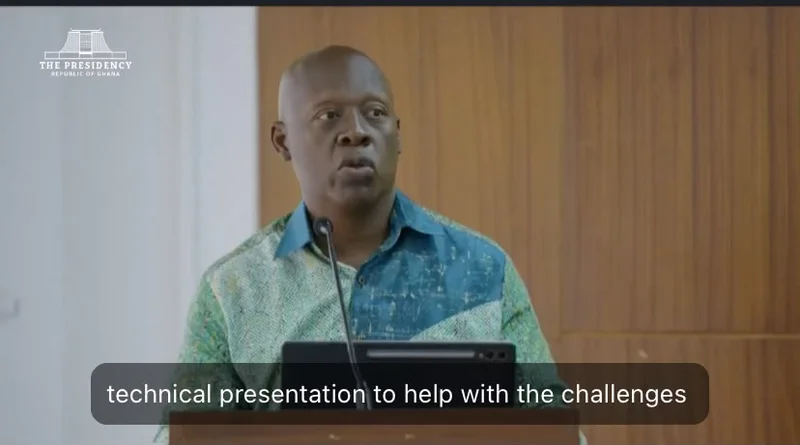
Recovery efforts in Ghana have intensified following the catastrophic June 29 floods, which resulted in over 20 fatalities and significant infrastructure damage across the Greater Accra Region. The government has committed GHS 350 million to support recovery and displaced households, with the Ghana Armed Forces (GAF) spearheading a nationwide cleanup and restoration operation. Brigadier General Forster Okae-Yeboah, Director General of Joint Operations, announced that the initiative aims to restore normalcy by clearing debris and desilting major drains, while cautioning that illegal structures obstructing waterways may be demolished to prevent future disasters. Practical relief measures are being implemented across various sectors to assist affected residents. The Ministry of Foreign Affairs has launched an expedited one-week replacement service for passports lost or damaged in the floods, available via a dedicated hotline until July 17. In Alajo, emergency teams have begun the difficult task of recovering between 20 and 25 vehicles swept into the Odaw drain during the downpour. Simultaneously, the Accra Metropolitan Assembly (AMA) has initiated a month-long free refuse collection program. Mayor Michael Kpakpo Allotey stated that this move is intended to clear accumulated waste in flood-hit communities and discourage further dumping into drainage systems. However, data from the Greater Accra Resilient and Integrated Development (GARID) project highlights systemic challenges, revealing that 16% of the region’s drainage buffer zones have been lost to encroachment. Dr. Kwadwo Ohene Sarfoh, the project coordinator, identified over 10,497 unauthorized structures within these zones, particularly in Ayawaso Central and Ga North. Rapid urbanization and development in the Akwapim Ridge and Densu-Weija Basin have severely diminished natural water retention, leaving the city increasingly vulnerable. GARID officials warned that without strict enforcement of planning regulations and the protection of remaining wetlands, the risk of escalating flood severity remains high. Addressing the human element of the crisis, experts and local leaders are calling for a radical shift in public behavior regarding waste management. The urgency of this plea was underscored by a recent incident at the Odaw River in Dome, where an elderly man was filmed dumping refuse into the water and allegedly attacked a resident who attempted to document the offense. Regional Minister Linda Obenewaa Akweley Ocloo has assured residents of the region’s readiness for future rains through enhanced public education. Nevertheless, health and safety specialists emphasize that long-term resilience will require more than just education, advocating for dedicated sanitation courts and punitive measures to ensure collective accountability.
This story touches markets covered on Anansi Intelligence ↗.
More from africa
Continue exploring similar stories


