••
Ghana Strengthens National Resilience with Arctic Seed Deposit and Coastal Mangrove Restoration
•2 min read•4 sources
Ghana is intensifying its environmental and food security safeguards through two major initiatives: the preservation of its agricultural heritage in the Arctic and the restoration of vital coastal ecosystems in the Ada West District. These efforts, spearheaded by state research institutions and international partners, highlight the country's proactive stance against the escalating threats of climate change, coastal erosion, and genetic loss. By securing both the genetic blueprints of essential crops and the physical integrity of its coastline, the nation is building a multi-layered defense against future environmental shocks.
In a landmark move for agricultural preservation, the Council for Scientific and Industrial Research-Plant Genetic Resources Research Institute (CSIR-PGRRI) has deposited 422 germplasm accessions at the Svalbard Global Seed Vault in Norway. This initiative, costing approximately US$15,000 and supported by the Global Crop Diversity Trust, involves the safety duplication of critical crop species including maize, rice, cassava, cowpea, and indigenous garden egg varieties. Dr. Rashied Tetteh of the CSIR-PGRRI emphasized that this Arctic storage provides a failsafe against pests, diseases, and climate-induced disasters that could compromise local gene banks. To ensure maximum security, a first-level duplication was conducted at the International Institute of Tropical Agriculture (IITA) in Nigeria before the samples were sent to the world's largest seed vault.
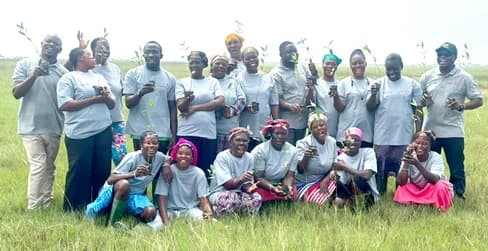
Parallel to these food security measures, a significant coastal restoration project has been launched in the Ada West District to rehabilitate depleted mangrove ecosystems. Marking World Mangrove Day 2026, the initiative aims to plant 95,000 mangrove seedlings across 38 hectares in the communities of Wokumagbe and Goi. This effort is part of the broader IRCC Project, funded by the Adaptation Fund and implemented in collaboration with ActionAid Ghana and Habitat for Humanity. Local leaders and environmentalists have highlighted that mangroves are vital for protecting coastal regions from flooding and erosion while simultaneously supporting the livelihoods of local fishing communities through enhanced biodiversity.
These two projects represent a comprehensive strategy to manage the risks posed by a changing climate. While the Svalbard deposit secures the genetic future of Ghanaian agriculture for generations to come, the mangrove restoration efforts provide immediate physical protection and economic opportunities for coastal residents. Together, these initiatives reflect Ghana's commitment to sustainable development and environmental stewardship, ensuring the nation remains resilient in the face of unpredictable global environmental challenges.
This story touches markets covered on Anansi Intelligence ↗.
More from africa
Continue exploring similar stories


