••
Ghana Champions Educational Reform Through Digital Literacy and Civic Engagement Initiatives
•3 min read•4 sources
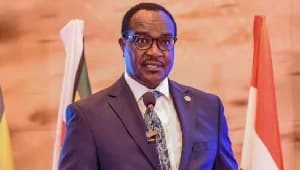
Ghana is positioning itself at the forefront of educational transformation in Africa, spearheading initiatives that range from artificial intelligence (AI) integration to enhanced civic awareness. During the closing remarks of the eLearning Africa Conference held in Accra, Deputy Minister of Education Dr. Clement Abas Apaak called for immediate reforms to adapt African educational systems to an AI-driven world. This push for modernization coincides with the announcement that the Institute of Statistical, Social and Economic Research (ISSER) at the University of Ghana will host the 2026 Evidence to Action (E2A) Conference, further cementing the country's role as a hub for evidence-informed policy-making on the continent.
Dr. Apaak emphasized that for Africa to own its educational future, it must prioritize AI literacy, establish robust ethical frameworks, and integrate local languages into digital learning platforms. He noted that connectivity remains a critical barrier, advocating for deep collaboration between governments and the private sector to ensure students are prepared for evolving career pathways. Simultaneously, the 2026 E2A Conference, themed "Reimagining the Evidence-Informed Policy- and Decision-Making Ecosystem in Africa," aims to bridge the gap between research and governance. Leaders such as Dr. David Ameyaw and Prof. Robert Darko Osei have underscored the necessity of African-led research to tackle societal challenges and improve government systems.
Beyond technological and policy frameworks, there is a growing focus on the civic development of young citizens through strategic partnerships. Parliament, in collaboration with the Junior Graphic, recently launched the "Parliament and You" initiative. This program is designed to educate the youth on parliamentary democracy, governance, and civic responsibilities. Key officials, including First Deputy Speaker Bernard Ahiafor and Clerk-to-Parliament Ebenezer Ahumah Djietror, highlighted the initiative as a child-friendly platform aimed at making parliamentary processes relatable and transparent. The project aligns with a broader corporate strategy to improve inclusiveness and prepare future generations for active participation in democracy.
While Ghana focuses on digital and civic expansion, structural reforms are also taking place across the region to improve student well-being and institutional stability. In Kenya, the Ministry of Education has announced a comprehensive review of the school calendar to address student fatigue and unrest, specifically by proposing a shorter second term. These collective efforts—from the integration of AI and evidence-based policy in Ghana to the rebalancing of academic schedules in Kenya—reflect a broader African movement toward creating more resilient, responsive, and student-centered educational environments. These initiatives suggest a shift toward holistic education that balances technological proficiency with civic duty and mental well-being.
This story touches markets covered on Anansi Intelligence ↗.
More from education
Continue exploring similar stories


