••
Ghana Advances Health Infrastructure and Disease Control with New Ambulance Fleet and Strategic Performance Reviews
•2 min read•11 sources
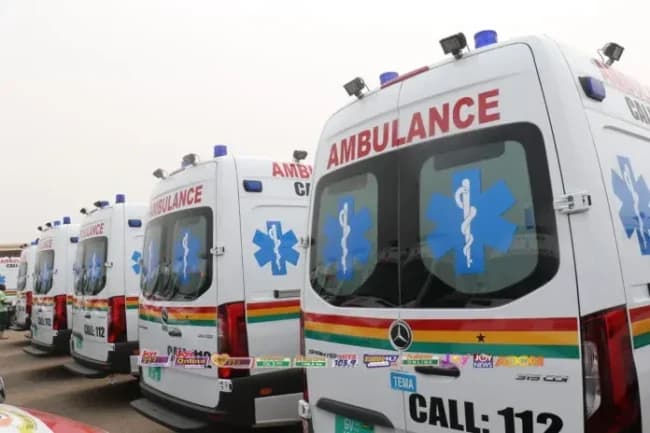
Ghana's healthcare sector is undergoing a multifaceted transformation as national and local health directorates roll out strategic expansions and performance reviews to address systemic gaps. The Ghana National Ambulance Service has initiated a major procurement process to acquire 400 new ambulances and 500 medical motorbikes. According to CEO Dr. George Kojo Owusu, the new fleet will include specialized pediatric and intensive care units, while the motorbikes are specifically designed to navigate heavy traffic to improve emergency response times. This move comes as the service seeks to enhance its operational capacity amid public discussions regarding the efficiency of emergency medical services across the country.
Simultaneously, the Accra Metropolitan Assembly (AMA) Health Directorate recently concluded its 2025 District Health Annual Review, highlighting critical challenges in the capital. Metro Health Director Dr. Louisa Ademki Matey reported concerns over persistent maternal deaths, a rising HIV burden, and significant staffing shortages. The review also touched upon the management of recent cholera and Mpox outbreaks; specifically, a cholera outbreak resulted in 66 cases and two deaths, which authorities linked to poor sanitation and limited access to clean water. The directorate is now calling for stronger multi-sector collaboration to address the environmental and infrastructural issues impacting public health in the metropolis.
On the national stage, health authorities are intensifying efforts to combat malaria and sensory disabilities. The National Malaria Elimination Programme (NMEP) has convened a thematic expert group to conduct a midterm review of its 2024–2028 Strategic Plan. This two-day evaluation aims to assess financing gaps and implementation progress to ensure Ghana’s malaria control interventions align with international best practices. Additionally, during the 2026 World Hearing Day, health advocates emphasized the urgent need for childhood hearing care. With over 9,000 Ghanaian schoolchildren currently identified with hearing disabilities, the theme "From communities to classrooms" advocates for school-based screenings, noting that 60% of such cases are preventable through early detection and community education.
These combined initiatives underscore a shift toward proactive, data-driven healthcare management in Ghana. From the acquisition of specialized emergency vehicles to the rigorous auditing of disease elimination strategies, the country is prioritizing resource mobilization and preventive care. As these programs move from the decision-making phase to implementation, the focus remains on bridging the gap between policy and service delivery to ensure that healthcare improvements reach both urban centers and marginalized communities effectively.
This story touches markets covered on Anansi Intelligence ↗.
More from africa
Continue exploring similar stories


