••
Ghana’s Emergency Services Under Review: National Ambulance Service Reforms and Fire Safety Campaigns Intensify
•3 min read•3 sources
Ghana's emergency response landscape is currently undergoing a period of critical evaluation and active expansion, as stakeholders call for systemic reforms in the National Ambulance Service (NAS) while the Ghana National Fire Service (GNFS) intensifies public safety initiatives. The push for a more robust emergency framework comes amid growing concerns over response coordination and preventable deaths. While national discourse focuses on emulating international best practices to streamline medical evacuations, regional fire commands are simultaneously deploying ground-level education and training programs to mitigate fire-related disasters and improve local emergency preparedness.
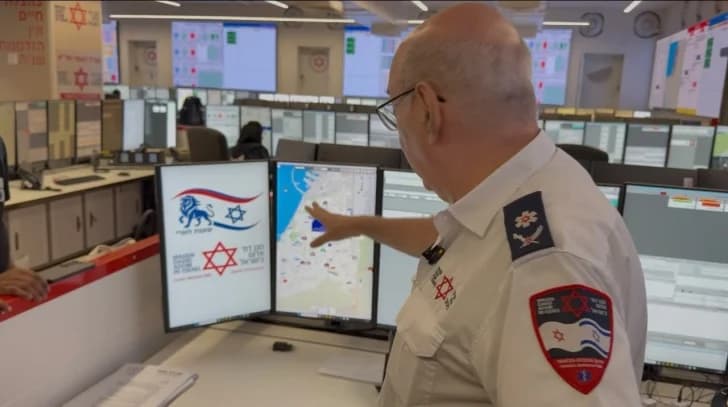
A significant portion of the reform narrative centers on the National Ambulance Service, which was established in 2004 following the tragic 2001 stadium disaster. Recent scrutiny, sparked by the death of engineer Charles Amissah due to inadequate emergency care and excessive blood loss, has highlighted systemic failures within Ghana's fragmented emergency response structure. Currently, multiple organizations handle various aspects of emergency care, leading to coordination challenges. Experts suggest that Ghana should look toward Israel’s Magen David Adom (MDA) model for solutions. Unlike Ghana's current setup, the MDA operates as a unified organization responsible for comprehensive emergency medical services, blood donations, and nationwide first aid training, offering a blueprint for a more integrated and technology-driven approach in Ghana.
Parallel to these calls for national structural reform, the Ghana National Fire Service has been actively strengthening safety protocols across the Eastern Region. In a series of targeted campaigns, the GNFS has moved beyond traditional fire suppression to focus on prevention and community education. Recent activities include fire safety training for staff at the Kwahu Nkwatia Government Hospital and comprehensive inspections at Adonten Senior High School following a fire incident. In Koforidua, fire officers engaged local traders on the safe handling of Liquefied Petroleum Gas (LPG) and distributed emergency contact information to ensure rapid reporting of incidents. These grassroots efforts emphasize the critical role of proactive public education in the broader emergency management ecosystem.
The synthesis of these two fronts—high-level structural reform and localized safety campaigns—points toward a future where Ghana’s emergency services are both more efficient and more community-integrated. By adopting aspects of the Israeli model, such as widespread citizen training in first aid and better inter-agency coordination, alongside the GNFS’s focus on regional preparedness, Ghana can significantly reduce the incidence of preventable fatalities. The ultimate goal remains a unified, responsive emergency system that leverages technology and public participation to protect lives across the country.
This story touches markets covered on Anansi Intelligence ↗.
Related topic
Ghana Fire Service Recruitment: Latest News Today →More from health
Continue exploring similar stories

