••
Ghana National Ambulance and Fire Services Lead New Push for Integrated Emergency Response Reform
•2 min read•3 sources
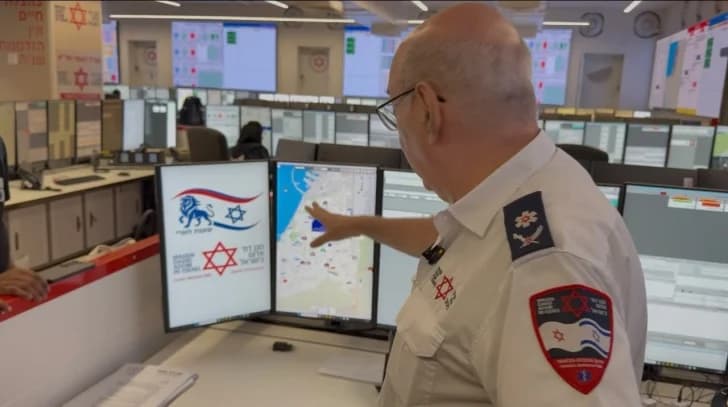
Ghana is facing a critical juncture in the management of its emergency medical and safety services, as recent events and systemic reviews highlight the need for a more robust, integrated approach to public health emergencies. The National Ambulance Service (NAS), established in 2004 following the tragic 2001 stadium disaster, is currently under the spotlight as experts call for a transition toward a unified emergency model. Simultaneously, the Ghana National Fire Service (GNFS) has intensified its safety and emergency preparedness campaigns across the Eastern Region, emphasizing the urgent need for community-level intervention and institutional training to prevent avoidable fatalities.
The push for reform within the NAS is underscored by the tragic death of engineer Charles Amissah, whose passing from preventable blood loss exposed significant gaps in the current emergency framework. Reports following his death identified systemic failures at several hospitals and highlighted a critical lack of coordination among the multiple organizations currently handling emergency services in Ghana. To address these deficiencies, health advocates suggest that Ghana emulate Israel’s Magen David Adom (MDA) model. Unlike Ghana’s fragmented system, the MDA provides a single, comprehensive umbrella for emergency medical services, blood donations, and disaster response. Adopting such a model would involve integrating technology for better ambulance coordination and decentralizing first aid skills to the general populace.
Complementing these high-level calls for reform, the Ghana National Fire Service is actively working to strengthen emergency readiness on the ground. In the Eastern Region, the GNFS has launched extensive public safety initiatives, including inspections and community education programs. Notable efforts include a safety campaign for traders in Koforidua focusing on LPG handling and the distribution of emergency contact stickers to improve response times. Furthermore, the Kwahu East Fire Command recently conducted specialized training for staff at the Kwahu Nkwatia Government Hospital, bridging the gap between fire safety and medical emergency response techniques.
These developments signal a growing recognition that Ghana’s emergency infrastructure must evolve beyond reactive measures toward a more proactive, technology-driven, and unified system. By combining the systemic integration seen in international models like Israel’s MDA with the localized, hands-on training currently being spearheaded by the GNFS, Ghana can build a resilient safety network. The ultimate goal is to ensure that no citizen loses their life due to a lack of coordinated care, ensuring that the health and safety of the public remain paramount in national development.
This story touches markets covered on Anansi Intelligence ↗.
Related topic
Ghana Fire Service Recruitment: Latest News Today →More from health
Continue exploring similar stories

