••
Ghana Boosts Agricultural Productivity Through 'Water is Wealth' and 'Nkoko Nketenkete' Initiatives
•2 min read•5 sources
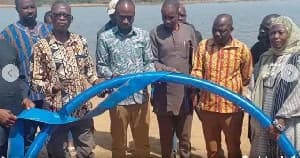
Ghana's agricultural sector is receiving a significant boost through two distinct but complementary grassroots initiatives aimed at enhancing food security and economic empowerment. In the Wa West Constituency, Member of Parliament Peter Laanchen Toobu has launched the 'Water is Wealth' project, while the Bosome Freho District is celebrating the rollout of the government’s 'Nkoko Nketenkete' poultry initiative. Both programs represent a strategic move to empower smallholder farmers, particularly women and youth, by providing essential tools and livestock to transition from subsistence to more productive farming models.
The 'Water is Wealth' initiative, launched at the Siiru Dam Site in Wa West, specifically targets the challenges of dry-season farming. To facilitate year-round cultivation, MP Peter Laanchen Toobu distributed 35 pumping machines to six organized groups, comprising three women’s cooperatives and 29 individual farmers. By improving access to irrigation, the project aims to stabilize crop yields and increase the income of local farmers. Toobu expressed gratitude to stakeholders, including Emmanuel Armah-Kofi Buah and various local leaders, for their support in making this resource-led intervention a reality for the constituency.
Simultaneously, the 'Nkoko Nketenkete' initiative is making strides in the Bosome Freho District to revitalize the local poultry industry. Launched by District Chief Executive Charles Appiah-Kubi, this national program aims to distribute approximately three million birds across 276 constituencies, eventually benefiting an estimated 60,000 households. The initiative is designed to reduce Ghana's heavy reliance on imported poultry while making protein more affordable and accessible for local consumers. Traditional leaders in the district have welcomed the project, noting its potential to create jobs and restore the historical significance of backyard farming in the region.
These initiatives reflect a broader vision of poverty alleviation and rural development. By equipping farmers with irrigation technology and livestock, the government and local representatives are addressing the fundamental barriers to agricultural growth. The success of these programs relies heavily on community cooperation and the effective management of resources. As these projects take root, they are expected to serve as a blueprint for sustainable agricultural practices that not only feed the nation but also provide a stable livelihood for thousands of Ghanaian families.
This story touches markets covered on Anansi Intelligence ↗.
More from africa
Continue exploring similar stories


