••
Ghana’s Agricultural Sector Growth Slows to 3.6% as Experts Call for Strategic Reforms and Industrialization
•2 min read•6 sources
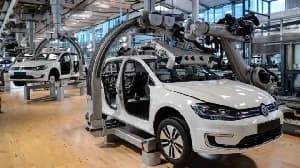
Ghana’s agricultural sector recorded a significant growth slowdown in May 2026, dropping to 3.6% compared to the 9.8% registered during the same period in 2025. According to the Ghana Statistical Service (GSS), this 6.2 percentage-point decline represents the largest contraction in growth momentum among the nation’s major economic sectors. Despite the deceleration, the GSS noted that overall agricultural activity remains higher than previous years, with the agricultural index rising from 114.6 to 118.7 year-on-year, driven primarily by the crops and livestock subsectors. This data, released through the Monthly Indicator of Economic Growth (MIEG), serves as a preliminary look into the nation’s economic health ahead of official quarterly GDP statistics. The GSS attributed this slowdown largely to seasonal factors and the high growth benchmarks set in 2025. However, the Service warned that if this trend of weakening growth persists, it could have serious implications for food prices, rural incomes, and the country’s export performance. In response to these figures, stakeholders are emphasizing the need for enhanced productivity through improved access to inputs, mechanization, and irrigation infrastructure to stabilize the sector. Reinforcing the call for structural change, Rev. Albert Ocran, co-founder of the Springboard Roadshow Foundation, recently emphasized that while agriculture remains Ghana’s largest employer, it has failed to rank among the top-growing industries. Speaking at the Impact Leaders Breakfast in Accra, Rev. Ocran urged the government and private sector to unlock value chain opportunities and integrate ICT and logistics into agribusiness. He argued that urgent reforms are necessary for Ghana to remain competitive across the African continent and to ensure the sector provides sustainable livelihoods for the youth. The broader conversation on economic self-sufficiency also extends to the industrial sector, where Professor Robert Ebo Hinson has called for a strategic shift in the automobile industry. Professor Hinson advocated for moving away from the importation of vehicles toward full-scale local assembly and manufacturing. Proponents of this shift argue that localized production will not only bolster the economy but also foster significant job creation. Together, these developments highlight a critical juncture for Ghana’s economy under the current administration, where balancing agricultural productivity with industrial innovation is seen as the key to long-term stability and growth.
This story touches markets covered on Anansi Intelligence ↗.
More from business
Continue exploring similar stories


