••
Strengthening the African Front: Ghana Leads Calls for Regional Unity and Social Preservation
•3 min read•6 sources
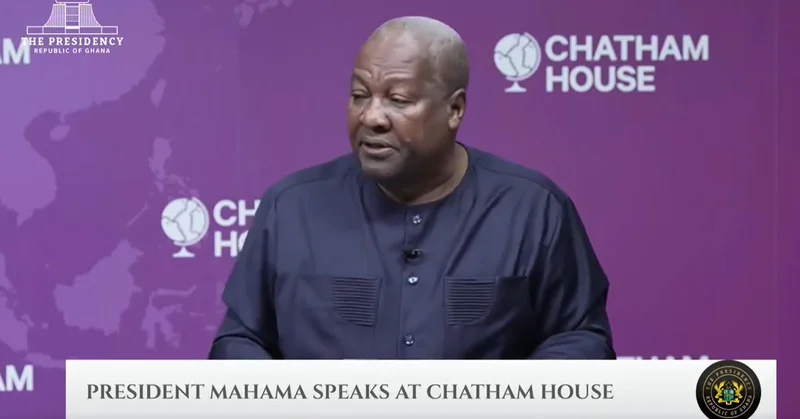
Ghana is reinforcing its historical position as a beacon of Pan-Africanism through a series of high-level diplomatic, legislative, and academic initiatives aimed at fostering continental integration and protecting African social values. Former President John Dramani Mahama has recently spearheaded this discourse during international engagements in London, emphasizing that no African nation can effectively navigate today’s global geopolitical and economic challenges in isolation. Speaking at Chatham House and a town hall meeting with the Ghanaian diaspora, Mahama called for a renewed push for reparatory justice regarding the transatlantic slave trade and advocated for the African Continental Free Trade Area (AfCFTA) as the primary vehicle for economic transformation and reduced external dependency.
To facilitate this vision of a unified continent, Mahama proposed significant visa reforms, including the removal of fees for African passport holders traveling to Ghana and the implementation of a streamlined e-visa system. These measures are designed to enhance connectivity and public service efficiency across the region. Domestically, the Speaker of Parliament, Alban Bagbin, has demonstrated the government's commitment to these ideals by suspending parliamentary proceedings from June 3 to June 6, 2026. This suspension facilitates the hosting of the 4th African Inter-Parliamentary Conference on Family and Sovereignty in Accra, an event expected to draw over 300 delegates from 30 countries to discuss moral leadership, youth development, and the impact of digital technologies on traditional family systems.
While political and legislative leaders focus on integration, the academic community is addressing the social fabric of the continent. The University of Cape Coast (UCC) recently hosted an international conference titled "Reimagining care: Relationships, responsibilities and care in Africa." Scholars, including Prof. Georgina Yaa Oduro and Prof. Nolwazi Mkhwanazi, warned against the fading culture of communal support and the increasing burden on women as primary caregivers. The conference highlighted the need to preserve extended family systems and communal values in the face of global shifts and institutionalization, framing these social structures as essential components of African sovereignty.
These domestic and international efforts arrive at a critical juncture for the West African sub-region. ECOWAS is currently preparing for a defining leadership transition in July 2026, amid significant challenges such as political instability, rising debt, and the departure of member states like Mali and Burkina Faso. The synthesis of these events—from calls for economic integration and reparations to the preservation of family structures—underscores a collective effort to build a more resilient and self-reliant Africa. The success of these initiatives will depend on the ability of regional leaders to translate these high-level dialogues into tangible improvements in the lives of citizens and restored confidence in regional cooperation.
This story touches markets covered on Anansi Intelligence ↗.
More from africa
Continue exploring similar stories


