••
Ghana and Africa Spearhead Strategic Initiatives to Bolster Healthcare, Economic Resilience, and Professional Standards
•3 min read•10 sources
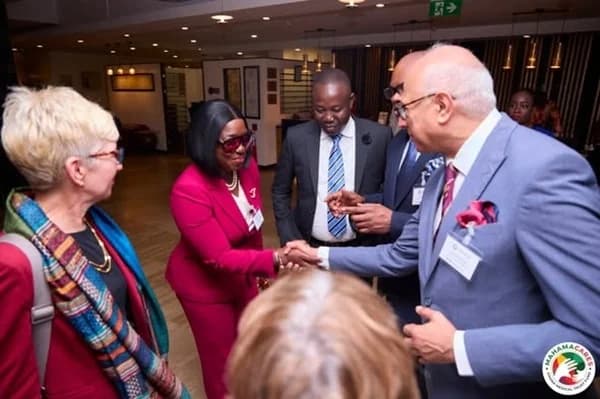
In a concerted effort to address the rising health and economic challenges across Africa, stakeholders have launched critical initiatives focusing on integrated care for non-communicable diseases (NCDs) and advanced medical training. The Ghana Medical Trust Fund (GMTF) and experts at the CREATE dissemination event in Accra have warned that the growing burden of hypertension and diabetes now poses a significant threat to the continent's economy. Administrator Adjoa Obuobia Darko-Opoku and other health leaders called for a shift from fragmented care to integrated, patient-centered solutions. Simultaneously, the Ghana Atomic Energy Commission (GAEC) hosted the international SAPPHIRE workshop, bringing together over 40 experts to enhance radiotherapy capacity and technical training for medical physicists, reinforcing Ghana's leadership in advancing cancer treatment across the region.
On the economic front, vocational and technical training initiatives are gaining momentum to formalize key sectors and empower the youth. In Ellembelle, the rCOMSDEP initiative has begun training cooperative groups in small-scale mining to improve regulatory compliance and safety standards, aiming to safeguard both livelihoods and the environment. Similarly, the Alliance for a Green Revolution in Africa (AGRA) launched the Youth Entrepreneurship for the Future of Food and Agriculture (YEFFA) program. This initiative provides young entrepreneurs with machinery and business support, enabling them to offer mechanized services to local farmers and significantly boosting agricultural productivity and youth employment.
Social and professional dynamics across the continent are also undergoing significant scrutiny and change. A recent study by the Worlds of Journalism project revealed that African journalists face intense political and commercial pressures, including safety risks and high rates of sexual harassment, yet remain deeply committed to national development. This commitment to community well-being is mirrored at the grassroots level, such as in the Anloga District, where large-scale health walks are being used to promote fitness and civic responsibility. These movements highlight a growing trend of utilizing collective action to address local infrastructure and healthcare gaps.
The narrative of professional growth and institutional continuity is further exemplified by the personal and military milestones of Ghanaian citizens. Ebenezer Aborah’s journey from a rural Ghanaian physician assistant to an Airman First Class in the U.S. Air Force serves as an inspiring testament to Ghanaian excellence on the global stage. Back home, the Ghana Armed Forces remain focused on internal welfare, with Chief of the Defence Staff Lieutenant General William Agyapong recently visiting retired soldiers in Kumasi to announce pension improvements and health support. Together, these developments illustrate a multi-faceted approach to progress, where health, industry, and institutional integrity form the pillars of national and continental growth.
This story touches markets covered on Anansi Intelligence ↗.
More from africa
Continue exploring similar stories


