••
Ghana@70: Cultural and Religious Initiatives Proposed to Mark Milestone 70th Independence Anniversary
•2 min read•3 sources
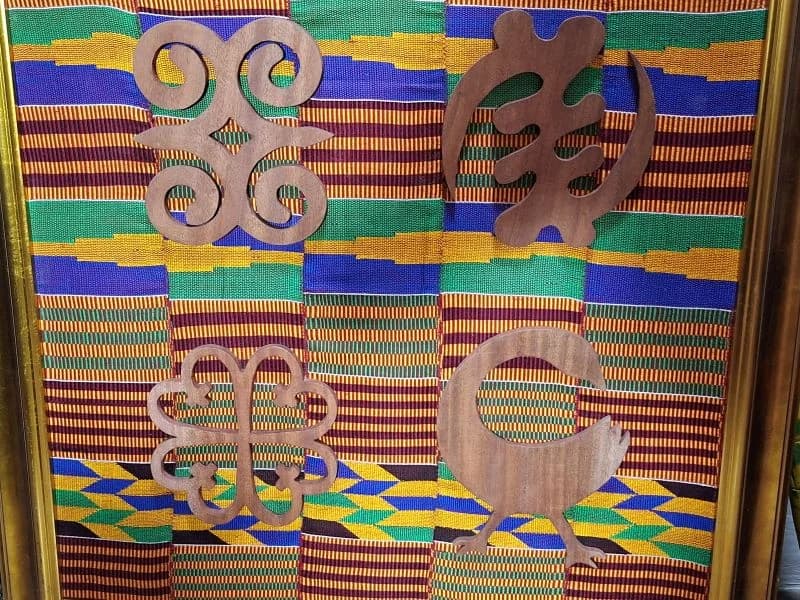
As Ghana prepares to commemorate its 70th Independence Anniversary in 2027, diverse stakeholders are proposing initiatives aimed at fostering national unity, spiritual renewal, and a stronger sense of cultural identity. These early preparations highlight a multi-faceted approach to the milestone, blending the country’s deep-seated religious traditions with its rich artistic heritage. The proposals seek to use the landmark event as a catalyst for national reflection on Ghana’s development since gaining independence from British colonial rule in 1957 under the leadership of Dr. Kwame Nkrumah.
Central to the cultural branding of the anniversary is a proposal by Mr. Stanley Felten, CEO of the African Art and Cultural Development Company, who is advocating for the integration of indigenous symbols and traditional arts into the official Ghana@70 celebrations. Felten emphasizes that Adinkra symbols and other traditional motifs should serve as the primary visual language for the anniversary to bolster national pride. According to Felten, these artistic elements act as a powerful unifying force across Ghana’s diverse ethnic groups, providing a shared identity that resonates with both local citizens and the global community. He has called on public institutions to embrace these traditions to ensure the anniversary reflects the authentic soul of the nation.
Complementing these cultural efforts, the Christian community is set to embark on a spiritual journey titled the National Bible Reading Programme. Organized by the Equity & Access Foundation LBG in partnership with Gap Junction Ministries Inc., this seven-day initiative will involve Christians across the nation reading the Bible from Genesis to Revelation. The program is designed to promote national peace, good governance, and spiritual renewal. Beyond traditional church services, organizers plan to utilize digital platforms to ensure broader engagement, particularly among the youth, while highlighting the significant role the Christian community has played in Ghana’s national development over the past seven decades.
These combined initiatives underscore a collective desire to move beyond mere festivities and toward a meaningful celebration of Ghanaian resilience and identity. By merging indigenous artistry with national prayer and reflection, proponents hope to create a cohesive narrative that honors the past while inspiring future progress. As the government and various planning committees begin to formalize the road to 2027, these proposals from civil society and religious bodies provide a blueprint for a celebration that is both inclusive and deeply rooted in the Ghanaian experience.
This story touches markets covered on Anansi Intelligence ↗.
More from africa
Continue exploring similar stories


