••
Ghana Honors 69 Years of Independence and Cultural Heritage Amidst Global Celebrations and Traditional Disputes
•2 min read•9 sources
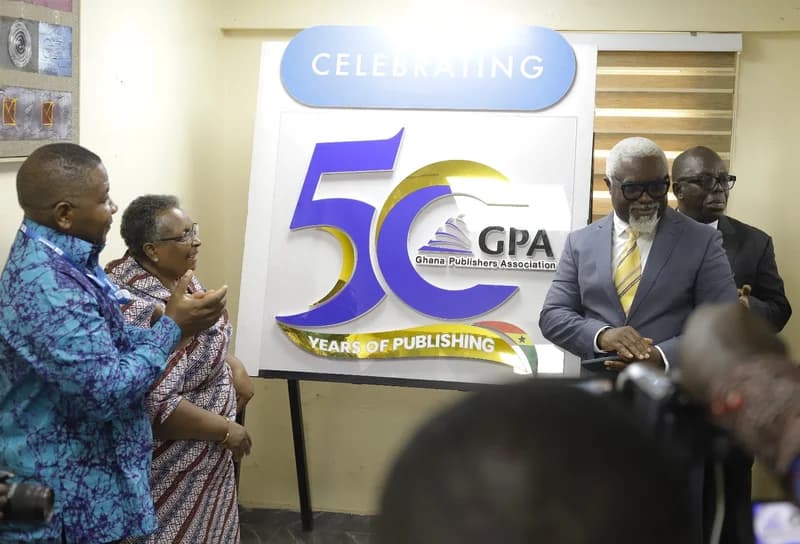
Ghana is currently commemorating its 69th Independence anniversary under the theme "Building Prosperity and Restoring Hope," a milestone marked by vibrant celebrations both at home and across the global diaspora. From diplomatic missions in Rome and Lomé to the City of Prince George in Canada, the Ghanaian identity is being showcased through business forums, flag-raising ceremonies, and cultural festivals. These events underscore the nation’s commitment to regional cooperation and economic resilience while celebrating the enduring spirit of its people. In Canada, Mayor Simon Yu officially proclaimed March 6 as Ghana Day, while in Italy, a trade fair and business forum highlighted investment opportunities in Ghana's agriculture and ICT sectors. Within the country, "Ghana Month" has spotlighted the evolution of indigenous crafts and arts. The legendary Highlife music genre, which recently received UNESCO recognition as intangible cultural heritage, continues to serve as a blueprint for modern African music. Simultaneously, traditional artisans in Kumasi are revitalizing "Ahenema" royal slippers, transforming them from symbols of monarchical authority into popular contemporary footwear. This cultural pride is further exemplified by the Ghana Publishers Association’s 50th-anniversary celebration of indigenous storytelling and luxury watchmaker Caveman Watches’ presentation of a commemorative clock to the Dakpema Palace in Tamale, symbolizing national unity through the 10th anniversary of the Heritage Caravan. However, the intersection of modern life and ancient custom has sparked notable tension in the capital. The Ga-Dangme traditional authorities and the Nungua Traditional Council have formally opposed reports regarding the private burial of highlife icon Daddy Lumba at his East Legon residence. Citing potential breaches of Ghanaian law and Ga customs, elders have summoned family representatives to the Nungua Palace to address environmental concerns and the necessity of traditional rites. This dispute highlights the ongoing influence of traditional leadership in regulating communal rites, reinforcing the idea that even as Ghana modernizes, its ancestral customs remain a powerful arbiter of social and legal order.
This story touches markets covered on Anansi Intelligence ↗.
More from africa
Continue exploring similar stories


