••
Ghana @69: Leaders Advocate for Project Continuity and National Integrity to Drive Development
•2 min read•4 sources
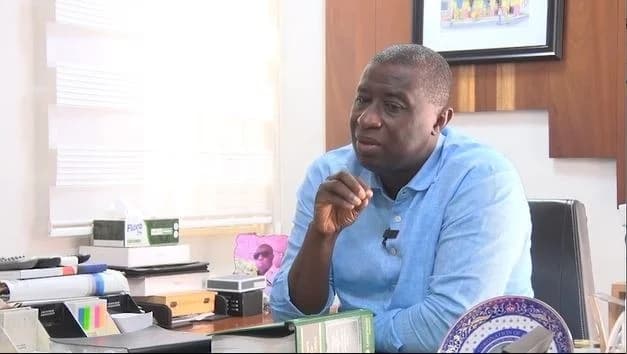
As Ghana commemorates its 69th Independence Anniversary, prominent political figures have called for a fundamental shift in the nation’s developmental strategy and moral fiber. The milestone has sparked a national dialogue on the slow pace of progress since liberation from colonial rule, with leaders emphasizing that the path to prosperity requires both administrative consistency and a renewed sense of national purpose. The discourse highlights a growing concern that partisan politics often undermines long-term national growth, necessitating a unified approach to governance.
Patrick Yaw Boamah, the Member of Parliament for Okaikwei Central, has raised significant concerns regarding the impact of project discontinuity on Ghana's development. He argued that the cyclical nature of Ghanaian politics, where successive administrations frequently abandon infrastructure projects initiated by their predecessors, serves as a major bottleneck to progress. Boamah specifically pointed to the dualization of major roads as a sector suffering from this trend. He advocated for a national consensus on development priorities, suggesting that a bipartisan commitment to finishing key projects would prevent the inefficiencies born of political competition.
Complementing the call for structural continuity, John Dramani Mahama urged Ghanaians to embrace the values of discipline, integrity, and accountability. Speaking during the anniversary celebrations, he emphasized the need for a national covenant that directs policies toward improving the lived experiences of all citizens. A central pillar of his vision included the establishment of a Women’s Development Bank, an initiative aimed at providing targeted financial support to women-led businesses. Mahama framed this as a necessary step for economic empowerment and a way to honor the sacrifices made by the nation's founding fathers.
Ultimately, the 69th anniversary serves as a reflective period for the nation to evaluate its trajectory. The shared sentiment among these leaders suggests that while infrastructure development is critical, it must be supported by a culture of ethical leadership and a strategic refusal to let partisan interests stall national projects. Moving forward, the success of Ghana’s developmental agenda likely hinges on the ability of its political class to harmonize their efforts and maintain a consistent focus on long-term national goals rather than short-term political gains.
This story touches markets covered on Anansi Intelligence ↗.
More from politics
Continue exploring similar stories


