••
Ghana’s Healthcare Revolution: Government Launches GHS 500m Primary Care Drive Amid Urgent Calls for Emergency Reform
•3 min read•21 sources
The Ghanaian government has signaled a major shift in the national health landscape with the distribution of 24,534 pieces of medical equipment, valued at GHS 500 million, to bolster the upcoming Free Primary Healthcare Programme. Minister for Health Kwabena Mintah Akandoh and Government Communications Minister Felix Kwakye Ofosu confirmed that the initiative, set for an official launch on April 15, 2026, aims to decentralize critical medical services. By flooding clinics across all 16 regions with diagnostic tools, maternal health gear, and advanced neonatal equipment, the administration intends to alleviate the chronic pressure on tertiary hospitals and improve health outcomes in underserved rural communities.
While the government focuses on infrastructure and equipment, former CEO of the University of Ghana Medical Centre (UGMC), Dr. Darius Osei, is spearheading a parallel movement for systemic policy reform. During a recent JoyNews dialogue, Dr. Osei proposed a 'care first, pay later' legal framework, condemning the current 'pay-before-service' culture as a 'death sentence' for trauma victims. Sharing a poignant personal account of his niece’s death due to procedural delays, Osei advocated for a mandatory 24-hour no-payment policy in emergency wards and a 'One-Stop-Shop' ER model. He emphasized that the provision of equipment must be matched by ethical protocols that prioritize human life over financial transactions.
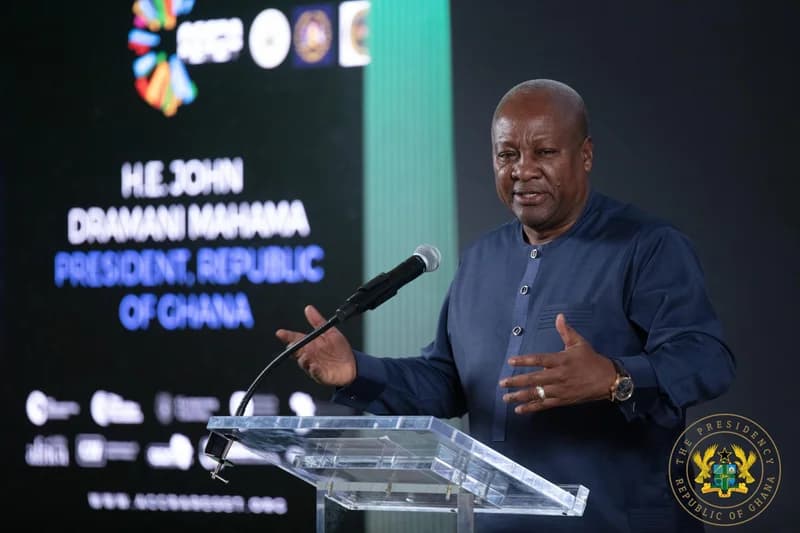
On the political and global stage, former President John Dramani Mahama has launched the 'Accra Reset' initiative, forming an 18-member high-level panel to reform global health governance. Co-chaired by figures like Peter Piot and advised by Michel Sidibé, the panel seeks to empower Global South governments and ensure health sovereignty. This high-level advocacy is mirrored by localized political interventions, such as Lawra MP Bede Ziedeng’s donation of medical equipment and nurses' quarters, and Tano North MP Gideon Boako’s funding of a new maternity block in Duayaw-Nkwanta. These efforts highlight a multifaceted political commitment to bridging the gap in primary healthcare delivery.
Despite these advancements, significant challenges remain that threaten to undermine medical progress. Residents in Ayanfuri have renewed calls for urgent government intervention regarding poor road conditions, which health officials link to a surge in respiratory and eye infections. The situation in Ayanfuri serves as a reminder that healthcare efficacy is deeply tied to broader infrastructure, such as dust-free roads and reliable power—the latter of which MP Ziedeng addressed via a new transformer for Eremon SHTS. As the April 15 rollout approaches, the success of Ghana’s healthcare transformation will depend on the government’s ability to integrate equipment distribution with robust emergency laws and essential infrastructure development.
This story touches markets covered on Anansi Intelligence ↗.
More from politics
Continue exploring similar stories


