••
Ghana Strengthens Gold Sector Control Through 30% Output Purchase Agreement and GoldBod Financial Independence
•2 min read•10 sources
The Government of Ghana has taken a decisive step toward economic stabilization by signing a Memorandum of Understanding (MoU) with the Ghana Chamber of Mines to purchase 30 per cent of gold output from large-scale mining companies. This agreement, signed on August 13, 2026, is a central pillar of the Ghana Accelerated National Reserve Accumulation Programme (GANRAP). Minister of Finance Dr. Cassiel Ato Forson highlighted that the Parliamentary-approved move enables the Bank of Ghana and the Ghana Gold Board (GoldBod) to purchase and process gold locally, ensuring a more resilient national reserve and a stronger foundation for the country's currency.
In a parallel strategic shift, the Ghana Gold Board (GoldBod) has officially ended its role as a gold-buying agent for the Bank of Ghana (BoG), transitioning to a self-funded independent financing model. CEO Sammy Gyamfi announced that since March 2026, the organization has ceased receiving central bank funds, instead raising capital directly from commercial banks and gold offtakers. This evolution is intended to enhance GoldBod’s operational autonomy, reduce the financial costs associated with intermediation, and improve the organization’s contribution to foreign exchange mobilization, which is vital for the stability of the cedi.
While the government focuses on large-scale mines, the Institute for Fiscal Studies (IFS) is urging a shift in focus toward the booming small-scale mining sector. IFS Executive Director Dr. Said Boakye noted that despite the small-scale sector contributing a staggering $10.80 billion to gold exports in 2025, government revenue from these operations remains minimal. The IFS has called for a comprehensive strategy to mobilize mineral royalties from these smaller producers, criticizing the 2026 Mid-Year Budget Review for failing to align the sector’s high productivity with fiscal revenue generation.
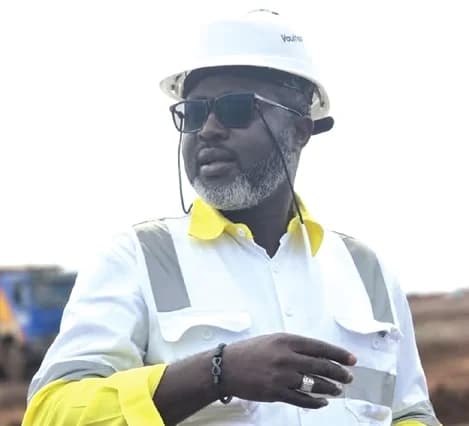
On the private sector front, indigenous firms are seeking to expand their footprint within this evolving landscape. Rabotec Group, a prominent Ghanaian mining contractor, has announced plans to transition into a mine owner within the next five years, backed by a West African project portfolio valued at up to $1.8 billion. CEO Alhaji Ali Ibrahim emphasized the need for Ghana to move beyond mineral supply to exporting mining technology and expertise. However, he cautioned that industry growth remains vulnerable to operational challenges, including site security issues and volatile exchange rates, which the government’s new gold reserve policies aim to mitigate.
This story touches markets covered on Anansi Intelligence ↗.
Live rates
Ghana gold price →More from business
Continue exploring similar stories


