••
Ghana Welcomes 223 Returnees from Côte d'Ivoire as Climate Displacement and Border Pressures Reshape African Migration
•3 min read•4 sources
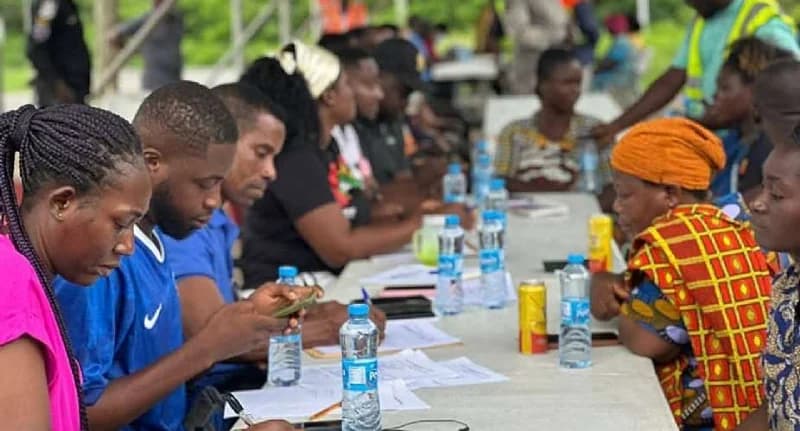
Authorities in Ghana's Central Region have activated an emergency response following the arrival of 223 Ghanaian returnees evicted from Côte d’Ivoire. The group, which includes 137 people who arrived on Friday and another 86 on Saturday, is composed largely of vulnerable populations, with women and children accounting for 72% of the total. Led by the Central Regional Minister, a multi-agency task force is currently profiling the returnees and providing essential relief aid, including food and temporary shelter, while coordinating plans for their eventual relocation to various districts across the country. Authorities have appealed for further support from organizations and individuals to assist with the reintegration of these citizens into their home communities. Simultaneously, in Southern Africa, internal migration driven by environmental collapse is creating a legal and humanitarian standoff in Zimbabwe. Thousands of climate migrants have fled drought-stricken regions to seek refuge in the fertile Eastern Highlands, known for reliable rainfall and arable land. However, these settlers now face potential eviction as the Zimbabwean government intensifies its crackdown on illegal settlements. Officials cite a zero-tolerance policy toward land corruption and the necessity of environmental protection as justification for the enforcement actions. The migrants, many of whom have built new homesteads in hopes of a sustainable agricultural future, have called for formal legal recognition and structured policies that address the specific challenges of climate-induced displacement. The strain of migration extends beyond the continent, as evidenced by the recent detention of 32 migrants at the Poda checkpoint in Burgas, Bulgaria. Border Police discovered the group, who were suffering from severe dehydration but did not require hospitalization, and took them into custody alongside their driver. Bulgarian authorities, led by Chief Commissioner Anton Zlatanov, have warned of increasing migratory pressure throughout the summer months. This incident underscores the physical risks and legal barriers faced by individuals moving across international borders, often driven by the same economic and environmental pressures seen in regional African displacements. These concurrent events highlight the urgent need for comprehensive migration management and reintegration strategies globally. While the Ghanaian government focuses on the immediate logistical challenge of resettling returnees, the situations in Zimbabwe and Bulgaria illustrate the broader complexities of climate change and illegal transit. Authorities and international observers are increasingly calling for structured, policy-driven responses to ensure that displacement—whether caused by state eviction, environmental necessity, or the search for opportunity—is handled with a focus on human dignity and long-term social stability.
This story touches markets covered on Anansi Intelligence ↗.
More from africa
Continue exploring similar stories


