••
Ghana’s 2026 Economic Outlook: FMCG Sector Resilience Amidst Rising Public Debt and Cedi Depreciation
•2 min read•7 sources
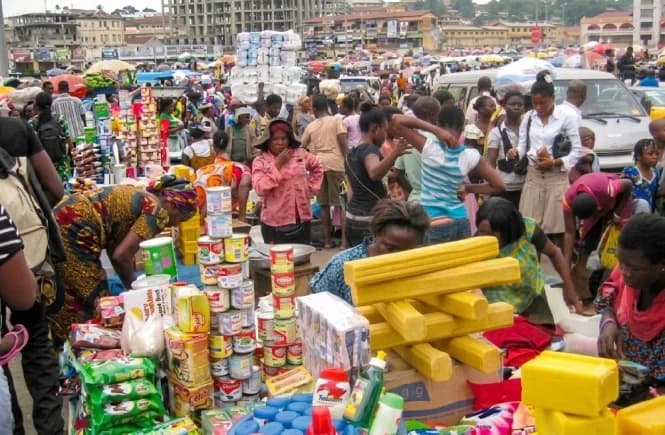
Ghana’s economic landscape in the first half of 2026 presents a complex picture of sector-specific growth offset by significant macroeconomic headwinds. While the Fast-Moving Consumer Goods (FMCG) sector recorded a 3.7% increase in volume sales during the period, the national economy is grappling with a sharp rise in public debt, which climbed to GH¢720.8 billion by May 2026. This increase represents a GH¢46.7 billion surge within just three months, pushing the debt-to-GDP ratio from 42.2% to 45.1%. Simultaneously, the Ghana cedi has faced renewed pressure in the foreign exchange market, depreciating by approximately 8.7% against major international currencies since the start of the year. The primary driver of this currency strain remains a high demand for dollars, particularly from the energy sector for crude oil imports, which continues to outpace the available supply despite central bank interventions. To combat this, the Bank of Ghana has injected approximately US$2.01 billion into the market to stabilize the currency. As of late July 2026, the cedi was trading at an average of GH¢11.57 on the interbank market, while retail rates at forex bureaus reached as high as GH¢12.25 per US dollar. Analysts from Databank Research and other institutions suggest that while the interbank market shows modest weakening, the retail market has seen more volatile fluctuations due to these persistent demand pressures. Despite these fiscal challenges, the FMCG sector has shown remarkable resilience. Report data from SumsureIQ highlights that food products accounted for 79% of the sector's volume growth and 48% of a 21.9% surge in value consumption. Although year-on-year inflation dropped to 5.3% in June 2026, market analysts note that many consumers are not yet feeling the full benefits in their daily purchasing power. Looking ahead, Ghana's economic stability hinges on the effectiveness of ongoing fiscal reforms and the realization of anticipated foreign exchange inflows. While the Bank of Ghana maintains that current currency fluctuations are manageable market movements, external risks—including potential global economic challenges and geopolitical uncertainties—could impact the pace of recovery. Experts emphasize that sustainable growth will require a delicate balance between managing the burgeoning domestic debt, which currently stands at GH¢379.1 billion, and fostering the private sector growth seen in the consumer goods market.
This story touches markets covered on Anansi Intelligence ↗.
Live rates
Dollar to cedi rate →More from business
Continue exploring similar stories


