••
Ghana’s 2025 Trade Surplus Triples to GHc148bn as Economists Urge Focus on Quality of Life
•3 min read•6 sources
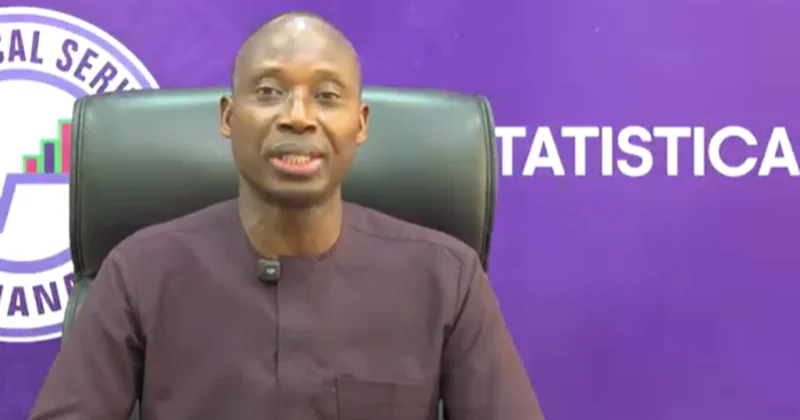
Ghana has recorded a significant economic milestone in 2025, with its international trade surplus surging more than threefold to GHc148.3 billion. According to data released by the Ghana Statistical Service (GSS), total trade value rose by 20.1% to GHc654.7 billion, up from GHc545.1 billion the previous year. This growth was largely propelled by record-breaking exports in gold, which generated GHc253.3 billion and accounted for over 63% of total export value, alongside robust performances in the cocoa and petroleum sectors. While the nominal figures suggest a flourishing economy, Government Statistician Dr. Alhassan Iddrisu noted that after adjusting for inflation, the country actually faced a real trade deficit of GHc3.4 billion, highlighting the impact of high global commodity prices on the nation's balance sheet.
Despite these strong macroeconomic indicators, leading economists are cautioning that the recovery must be felt by the average citizen to be considered a true success. Speaking at the Ghana National Chamber of Commerce and Industry (GNCCI) Mid-Year Budget Review, Prof. Godfred Alufar Bokpin emphasized that economic progress should be measured by improvements in living conditions rather than just fiscal data. He pointed out a stark disconnect between the state's reported 6.4% growth rate and the daily realities of Ghanaians, who continue to grapple with a 32.4% youth unemployment rate and food insecurity affecting approximately 38.1% of the population. Prof. Bokpin argued that while macroeconomic stability is being restored, the tangible benefits of improved infrastructure and employment opportunities are still lagging.
The trade report also highlighted shifting global partnerships, with Asia emerging as Ghana's largest trading region and China remains the primary source of imports. Regionally, Ghana achieved a trade surplus of GHc34.7 billion within Africa, signaling the growing importance of continental integration. However, both Dr. Iddrisu and Prof. Bokpin stressed that sustaining this growth requires a fundamental shift toward export diversification and the strengthening of local manufacturing. They urged the government to move away from a heavy reliance on raw gold and cocoa, advocating for value-addition and investments in productive sectors that can generate decent jobs.
As the administration of President John Mahama navigates this complex economic landscape, the focus is increasingly turning toward "economic transformation" rather than mere recovery. Experts agree that while the 2025 trade surplus provides a strong fiscal cushion, the ultimate test of the government's economic policy will be its ability to translate commodity wealth into improved public services, better education, and a more resilient healthcare system. Moving forward, the calls for fiscal policies that directly enhance the quality of life for all citizens are expected to intensify, ensuring that Ghana's wealth is reflected in the pockets and well-being of its people.
This story touches markets covered on Anansi Intelligence ↗.
Related topic
John Mahama: Latest News & Updates →Live rates
Ghana gold price →More from business
Continue exploring similar stories


