••
Ghana’s 2025 Corruption Perceptions Index Score Rises Marginally to 43 Amid Persistent Systemic Challenges
•2 min read•11 sources
Ghana has recorded a slight improvement in its corruption perception, scoring 43 out of 100 in the 2025 Corruption Perceptions Index (CPI), according to the latest report by Transparency International. This marks a one-point increase from the 42 recorded in 2024, placing the nation 76th among 182 countries evaluated. However, governance experts and Transparency International-Ghana (TI-Ghana) warn that this marginal shift is insufficient to signal genuine progress. The country has effectively remained stagnant at a score of 43 since 2020, still falling short of its peak score of 48 achieved in 2014.
The report highlights deep-seated concerns regarding the politicization of Ghana’s justice system and law enforcement agencies. Critics point to executive interference and controversial legal practices, such as the "60:40 settlement arrangement," which has allowed some government officials to avoid full prosecution for corruption. While initiatives like "Operation Recover All Loot" and the efforts of the Office of the Special Prosecutor were intended to tackle high-level graft, their impact on public perception remains limited due to a perceived lack of independence and the slow pace of judicial outcomes. This stagnation reflects a broader global trend where corruption is worsening in many democracies, with the global average score resting at 42.
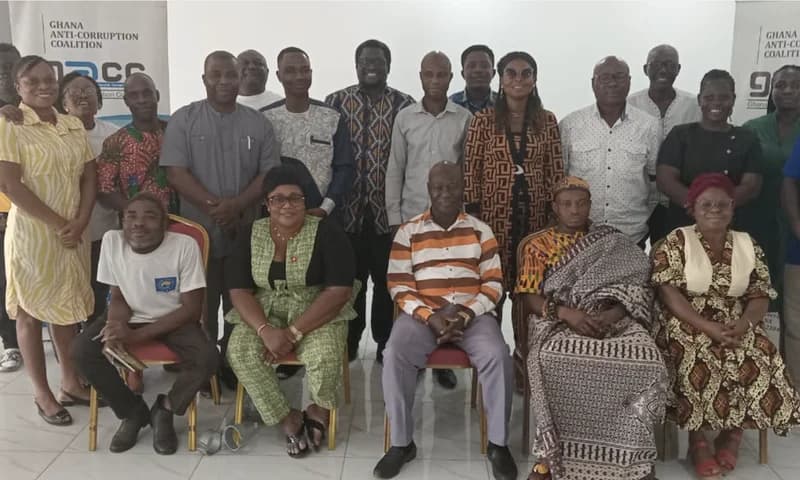
Complementing these national findings, local advocacy by the Ghana Anti-Corruption Coalition (GACC) has exposed transparency hurdles in the management of public resources. Monitoring extractive sector projects funded by the Oil and Gas Annual Budget Funding Amount in the Volta Region revealed mixed results; while some infrastructure improved community access, others displayed significant structural flaws. The GACC noted that monitoring efforts are often frustrated by officials’ reluctance to provide project details or cooperate with civil society, a challenge that typically intensifies during election cycles and hinders effective accountability.
To break the cycle of stagnation and rebuild public trust, TI-Ghana and other civil society organizations are calling for urgent legislative and judicial reforms. Key recommendations include the establishment of dedicated anti-corruption courts, stricter regulations for political party financing, and the full implementation of the National Ethics and Anti-Corruption Plan. François Valérian, Chair of Transparency International, emphasized that national efforts must be supported by international cooperation to uphold transparency norms. Experts maintain that without sustained political will and measurable reforms to protect media and civic freedoms, Ghana’s anti-corruption efforts will continue to yield only marginal results.
This story touches markets covered on Anansi Intelligence ↗.
More from politics
Continue exploring similar stories


