••
Green Africa Youth Organization Launches National Federation to Empower Informal Waste Workers
•2 min read•6 sources
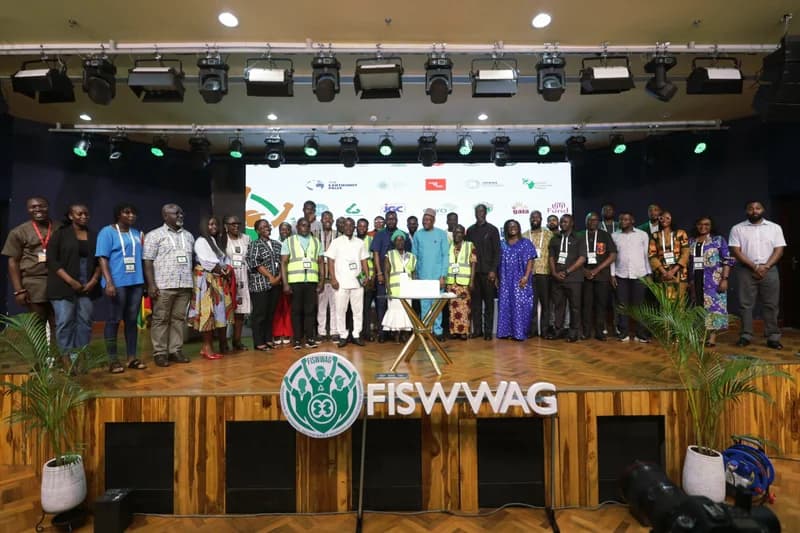
The Green Africa Youth Organization (GAYO), in collaboration with the Ministry of Local Government and Decentralization, has officially launched the Federation of Informal Sector Waste Workers Associations of Ghana (FISWWAG) in Accra. Under the theme "From Informality to Inclusion: Recognizing Informal Waste Workers as Essential Actors in Ghana’s Circular Economy," the new federation seeks to unify thousands of informal waste pickers across the country. This initiative represents a significant step toward formalizing a sector that has long served as the backbone of Ghana’s waste management and recycling efforts, yet has often remained marginalized from formal policy frameworks.
The formation of FISWWAG is the culmination of a five-year strategic journey by GAYO to organize, mobilize, and empower waste pickers. The federation is designed to provide a collective and legally recognized voice for these workers, enabling them to advocate for safer working conditions, improved social protections, and better access to markets. By establishing a unified platform, FISWWAG aims to bridge the gap between informal workers and key stakeholders in both government and the private sector, ensuring that their vital contributions to environmental sustainability and the circular economy are properly rewarded.
During the launch event, Minister Dr. Abdul-Rashid Pelpuo reaffirmed the government's commitment to the initiative, noting that the establishment of the union is a lawful exercise of workers' rights under Ghana’s Labor Act. He emphasized that the integration of informal waste workers into the formal economy is essential for achieving national sanitation goals and fostering inclusive economic growth. The event saw attendance from waste worker leaders across all sixteen regions of Ghana, alongside representatives from various development partners, including the UMI Fund and the Global Alliance for Incinerator Alternatives (GAIA), who provided technical and financial support.
Moving forward, GAYO and its partners intend to focus on strengthening the institutional capacity of FISWWAG to ensure its long-term sustainability. This includes expanding membership and deepening the integration of waste workers into the nation’s socio-economic framework. By providing a structured environment for advocacy and effective participation in policy decisions, the federation is set to transform the livelihoods of informal waste workers, turning their critical environmental services into dignified and stable employment opportunities within Ghana’s evolving green economy.
This story touches markets covered on Anansi Intelligence ↗.
More from africa
Continue exploring similar stories


