••
GARID Project Reveals 16% of Greater Accra Drainage Buffer Zones Overtaken by Illegal Structures
•2 min read•5 sources
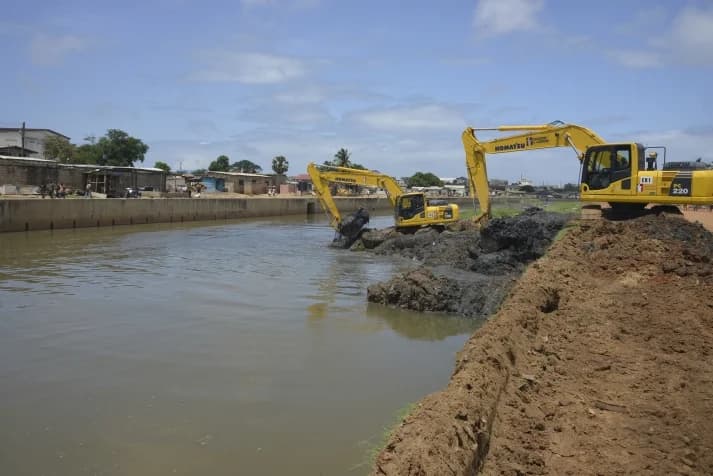
The Greater Accra Resilient and Integrated Development (GARID) project has issued a stark warning regarding the capital's flood resilience, reporting that nearly 16% of legally protected drainage buffer zones have been lost to unauthorized developments. According to a comprehensive assessment presented by GARID Project Coordinator Kojo Ohene Safo, these encroachments within the mandatory 25-metre corridors are significantly heightening the risk of devastating floods in the region. The study, which analyzed drainage corridors across 16 local assemblies from 2022 through 2026, highlights a persistent trend of illegal construction that persists despite existing urban planning regulations.
The assessment identified a staggering total of 10,497 structures currently situated within these vital buffer zones. Data reveals a worrying upward trajectory in several localities; for instance, Ayawaso East saw structures jump from 337 to 494, while Ayawaso Central recorded an increase from 793 to 801. Other areas, including Ga South, were also flagged for significant breaches. These structures physically obstruct the natural flow of stormwater during heavy rainfall, turning protective waterways into clogged bottlenecks that inevitably lead to localized flooding and property damage.
Urban planning experts and GARID officials emphasize that chronic flooding in Greater Accra is a direct result of weak regulatory enforcement and a disregard for planning laws. The findings aim to assist the government's Post-Flood Mitigation Committee in improving resilience and restoring the integrity of drainage corridors. Moving forward, the report calls for intensified coordination between local authorities and enforcement agencies to halt further encroachment and protect the region's critical infrastructure from future climate-related disasters.
This story touches markets covered on Anansi Intelligence ↗.
More from africa
Continue exploring similar stories


