••
Global Institutional Shifts: Conservative Anglican Rifts, AI Governance, and High-Profile Legal Accountability
•3 min read•12 sources
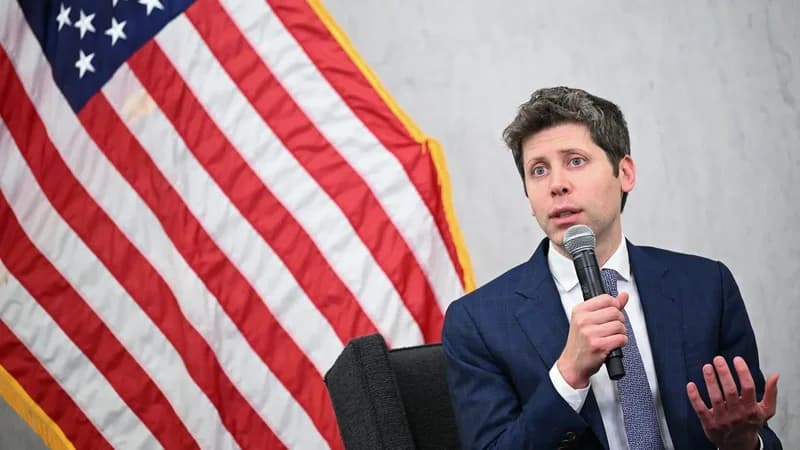
A series of major shifts in institutional authority and governance are unfolding globally, led by a significant schism within the Anglican Communion. In Nigeria, the Global Anglican Future Conference (GAFCON), representing a conservative coalition from Africa and Asia, is meeting to elect a leader to rival the Archbishop of Canterbury. This unprecedented move aims to establish an 'orthodox core' in opposition to liberal trends such as LGBTQ+ inclusion and the ordination of women. Nigerian priest Francis Aduroja emphasized that the gathering in Abuja seeks to uphold traditional scriptural interpretations without compromise, signaling a deepening theological divide among the world's 46 autonomous Anglican churches.\n\nSimultaneously, the political and ethical boundaries of Artificial Intelligence are being tested in the military and legal sectors. OpenAI has amended its agreement with the U.S. military to explicitly prohibit the use of its technology for domestic surveillance following public backlash over a deal initially described as 'sloppy.' Meanwhile, India's Supreme Court has issued a stern warning against the use of AI in the judiciary after a junior judge cited fake, AI-generated legal orders in a property dispute. The court stayed the ruling, emphasizing that while technology is evolving, the integrity of the legal process requires strict human oversight to prevent institutional damage.\n\nIn West Africa, legal and social accountability remains at the forefront of public discourse. In Ghana, the Ga Mantse, King Tackie Teiko Tsuru II, recently recounted a harrowing road accident, expressing deep gratitude to Officer Kennedy Frimpong for his life-saving first aid and to former President John Dramani Mahama for coordinating his medical transfer. In Nigeria, the Lagos State Judiciary has scheduled a coroner's inquest for April 14, 2026, into the death of Nkanu Adichie, the young son of author Chimamanda Ngozi Adichie. The family alleges gross medical negligence by hospital staff. This follows another high-profile ruling in Ikorodu, where a court approved DNA testing in the U.S. and U.K. to confirm the paternity of late singer Mohbad’s son, Liam, with samples set for collection in April 2026.\n\nThese developments across religious, technological, and legal landscapes highlight a broader global trend toward seeking accountability and defining clear standards of leadership. From the Norwegian royal family—where Marius Borg Høiby faces serious charges including reckless behavior and rape—to the halls of the Indian Supreme Court, institutions are being forced to navigate modern ethical dilemmas. Whether through the election of new religious heads or the tightening of AI military protocols, the current political climate is defined by a rigorous re-examination of traditional values and the enforcement of justice for high-profile figures and ordinary citizens alike.
This story touches markets covered on Anansi Intelligence ↗.
More from politics
Continue exploring similar stories


