••
FOSDA Urges Global Action Against Arms Diversion and Champions Women’s Leadership at UN Small Arms Meeting
•2 min read•13 sources
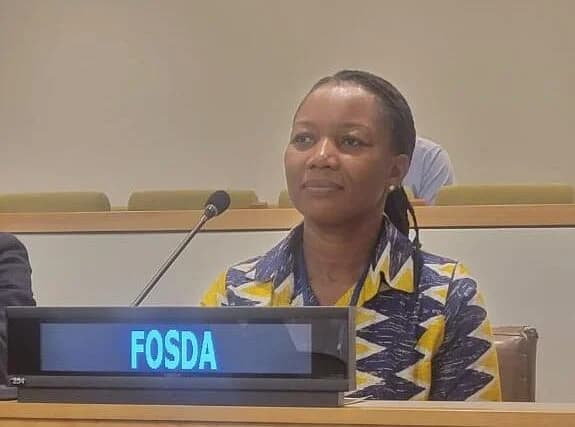
At the Ninth Biennial Meeting of States (BMS9) in New York, the Foundation for Security and Development in Africa (FOSDA) called for a fundamental shift in global arms control to address the destabilizing effects of illicit weapons in Africa. Held from June 1 to 5, 2026, the meeting centered on the UN Programme of Action (UNPoA) regarding small arms and light weapons (SALW). FOSDA’s Executive Director, Miss Theodora Williams Anti, led the advocacy, highlighting that the diversion of legally produced weapons into illicit markets remains a primary driver of conflict, terrorism, and insecurity across the continent. She emphasized that despite international progress, the leakage of weapons into the hands of non-state actors continues to undermine peacebuilding and developmental efforts.
To combat this, FOSDA urged governments to move beyond political rhetoric and implement rigorous national frameworks and accountability mechanisms. The organization identified weaknesses in stockpile management and porous border controls as critical vulnerabilities that armed groups exploit. Miss Anti advocated for more robust national and regional controls, including the use of authorized end-user certifications and comprehensive risk assessments. The true measure of success, according to FOSDA, will not be found in diplomatic agreements but in a tangible reduction of weapons reaching unauthorized users, thereby enhancing the safety and resilience of local communities.
The discussions also navigated the complex challenges posed by emerging technologies, such as 3D-printed firearms, which threaten to outpace traditional arms trafficking regulations. FOSDA called for strategic investments in innovations that bolster tracking and regulation rather than facilitating illegal trade. By modernizing arms management systems and fostering international cooperation, the organization argues that states can better safeguard against the evolving tactics used by illicit networks to circumvent existing global controls.
A significant achievement for FOSDA at BMS9 was the successful retention of gender-responsive language in the meeting's final outcome document, despite resistance during negotiations. FOSDA argued that sustainable peace is unattainable without the active leadership and expertise of women in disarmament and violence prevention. By recognizing the specific impacts of armed violence on women and girls and promoting women as key decision-makers, FOSDA believes arms control policies will become more inclusive and effective. The organization concluded by urging governments to mainstream these gender perspectives to ensure that global security frameworks translate into lasting peace for the most affected regions.
This story touches markets covered on Anansi Intelligence ↗.
More from africa
Continue exploring similar stories


