••
Global Football Under Scrutiny: From the Rigors of World Cup Refereeing to Player Market Uncertainties
•3 min read•4 sources
The international football landscape is currently navigating a complex intersection of high-stakes officiating, evolving disciplinary regulations, and significant player career shifts. As major tournaments like the World Cup progress toward their final stages, the pressure on the field is matched by the intensity of the selection process for match officials. FIFA has recently highlighted the strenuous journey required to referee at the highest level, with a record 170 officials appointed from 50 member nations. However, the path is elite and exclusive, with only 4.5% of officials on FIFA's list successfully making it to the World Cup, reflecting the immense personal sacrifices and rigorous training required to handle the emotional weight of high-stakes soccer.
On-field discipline remains a focal point of discussion, illustrated by recent controversial decisions and shifting policy frameworks. The USA’s victory against Bosnia and Herzegovina was marked by a debated red card issued to Folarin Balogun, a decision that has sparked widespread conversation about the finality of refereeing calls in the modern game. Simultaneously, UEFA has moved to clarify its own disciplinary standards, confirming that players who cover their mouths during confrontations will not face red cards. This decision follows past incidents of homophobic conduct and represents an effort by governing bodies to standardize how players are penalized during heated exchanges on the pitch.
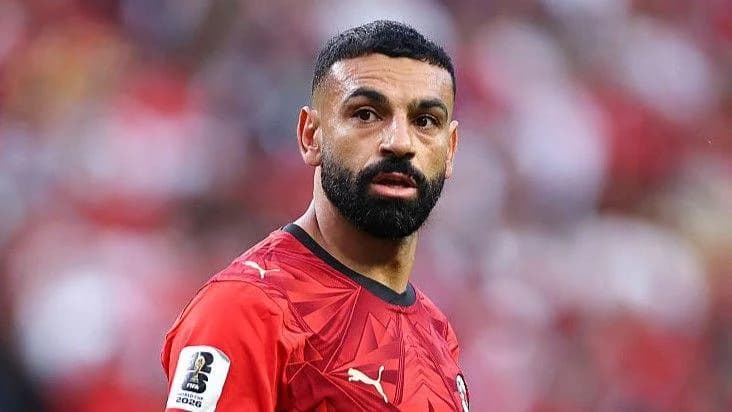
The stakes of these international matches extend far beyond the results for individual players, particularly for those currently without club contracts. As the World Cup moves toward its final on July 19 at the New York New Jersey Stadium, at least 14 active players find themselves as free agents. High-profile names including Mohamed Salah, Casemiro, John Stones, and David Alaba are using the tournament as a vital platform to influence their future prospects. With Salah projected for a move to the Saudi Pro League and Casemiro linked with Inter Miami, every performance serves as a high-profile audition for their next professional chapter.
Ultimately, these developments paint a picture of a sport in a state of constant evolution and high-pressure scrutiny. From the personal costs borne by world-class referees to the strategic career moves of global icons, the current football cycle highlights the multifaceted nature of the professional game. As the knockout stages loom, the focus remains firmly on how the interplay of strict officiating, revised disciplinary rules, and the player transfer market will shape the legacy of this tournament and the future of its participants.
This story touches markets covered on Anansi Intelligence ↗.
More from sports
Continue exploring similar stories


