••
Global Football Roundup: FIFA Sanctions Congolese Officials, Salah’s Legacy Honored, and VAR Errors Rise in Premier League
•3 min read•23 sources
The international football landscape is currently defined by significant shifts in player legacies, governance scandals, and technical officiating challenges. In a major development for African football, FIFA has initiated disciplinary proceedings against three senior officials of the Congolese Football Federation (Fecofoot), including president Jean-Guy Mayolas. Mayolas was recently sentenced to life imprisonment in absentia for the embezzlement of $1.3 million in FIFA funds intended for infrastructure and Covid relief. This crackdown on financial misconduct and forgery follows a pattern of corruption that previously saw Fecofoot suspended for political interference. Simultaneously, a legal battle has erupted between Morocco and Senegal over the 2025 Africa Cup of Nations (AFCON) trophy; Morocco has launched legal action to block a planned trophy parade by Senegal in France, asserting that the trophy rightfully belongs to them following a Confederation of African Football (CAF) ruling.
In the Premier League, the integrity of officiating is under renewed scrutiny as the Key Match Incidents (KMI) panel reported a rise in refereeing mistakes this season. Total errors have climbed to 54, compared to 44 at the same stage last year, with VAR-related errors already matching the previous season's total of 18. Despite these figures, the Professional Game Match Officials (PGMO) noted a positive trend in on-field decision-making and a 25% reduction in VAR-related stoppage times. High-profile errors included missed penalties for Arsenal and Chelsea, as well as an incorrect second yellow card for Leeds United. Amidst these technical debates, Liverpool is preparing for a sentimental transition as former manager Jurgen Klopp hailed Mohamed Salah as an "all-time great" following the Egyptian forward's announcement that he will leave Anfield at the end of the season. Salah departs with a staggering record of 255 goals, ranking third in the club’s history, and a trophy cabinet that includes both the Premier League and Champions League titles.
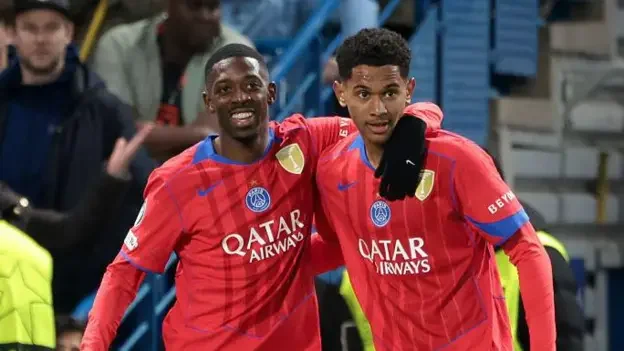
European club dynamics are also shifting with major transfer rumors and scheduling adjustments. Manchester City’s midfield anchor, Rodri, has signaled a potential return to Spain, stating he would not rule out a move to Real Madrid despite his history with Atletico Madrid. The 29-year-old, who is entering the final year of his contract, emphasized that the prestige of the world's top clubs is difficult to ignore. In France, the Ligue de Football Professionnel (LFP) has postponed Paris St-Germain’s match against Lens to May 13 to allow the Parisian side more time to prepare for their Champions League quarter-final against Liverpool. While the LFP views this as a strategic move to preserve France's UEFA standing, Lens has criticized the decision for compromising the league's competitive integrity. In injury news, Galatasaray’s Victor Osimhen is nearing a return to action; the striker is expected to wear a protective arm splint following surgery for a hand fracture, with a target return date set for the high-stakes Istanbul derby against Fenerbahçe on April 26.
These developments reflect a period of intense transition across the global game, where the pursuit of excellence on the pitch is often complicated by administrative disputes and the mounting pressure of the European calendar. From the legal halls of CAF to the high-tech VAR rooms of the Premier League, the sport continues to grapple with the balance between commercial interests and the preservation of fair play. As legends like Salah prepare for new chapters and young stars like Rodri contemplate their futures, the focus remains on how football’s governing bodies will navigate the complex intersection of law, finance, and athletic competition in the coming months.
This story touches markets covered on Anansi Intelligence ↗.
More from sports
Continue exploring similar stories


