••
Global Sports Roundup: FIFA Corruption Sentences, IOC Policy Shifts, and Premier League Refereeing Challenges
•3 min read•15 sources
The international sports landscape is currently navigating a period of significant institutional and technical upheaval, headlined by a major corruption scandal in Congo-Brazzaville and a landmark policy shift by the International Olympic Committee (IOC). FIFA has initiated formal disciplinary proceedings against three senior officials of the Congolese football federation (Fecofoot), including president Jean-Guy Mayolas, following a criminal court ruling that sentenced him to life imprisonment for the embezzlement of $1.3 million in FIFA funds. Alongside Mayolas, general secretary Wantete Badji and treasurer Raoul Kanda received five-year sentences for money laundering and forgery. These funds were originally earmarked for critical infrastructure, including a training center and Covid-19 relief. Simultaneously, IOC President Kirsty Coventry has announced a new policy banning transgender women from female Olympic events, citing scientific evidence regarding biological performance advantages. This decision, aimed at ensuring fairness and safety in elite competition, includes a one-time screening process for athletes and marks a definitive stance in the ongoing global debate over sports inclusivity.
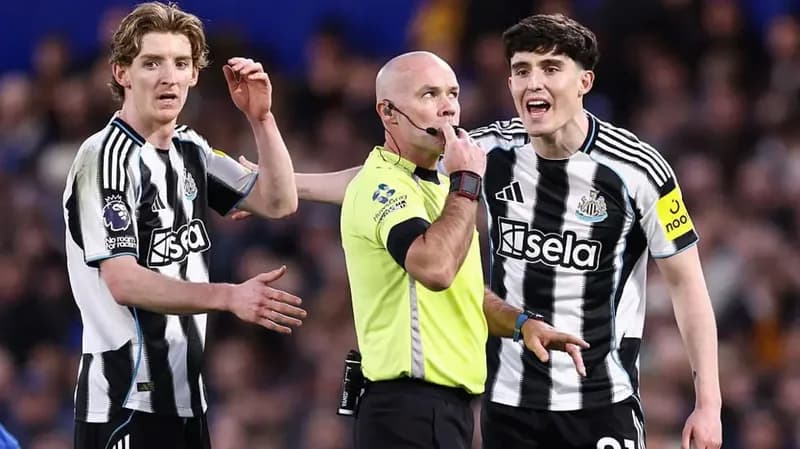
Financial instability and governance issues have also surfaced in the world of athletics and professional league management. Four-time Olympic champion Michael Johnson has committed to refunding $500,000 to his Grand Slam Track (GST) league, which collapsed into bankruptcy in December 2025 with debts exceeding $30 million. While legal filings suggested the payment was a 'secret' transfer made just before the league folded, Johnson maintains the funds were a reimbursement for personal expenses. As GST undergoes reorganization, athletes are expected to receive only 70% of their prize money, while unsecured creditors may receive as little as 15%. Meanwhile, the English Premier League is grappling with a decline in officiating standards. The Key Match Incidents (KMI) panel reported a rise in errors this season, with 54 total mistakes recorded compared to 44 at the same stage last year. Notably, 18 of these errors were VAR-related, matching the total for the entire previous season, although the Professional Game Match Officials (PGMO) noted that overall on-field decision accuracy remains steady at 86% and VAR intervention times have improved.
In the realm of football legends and personal news, the community is rallying behind former Liverpool striker and Wales international John Toshack following his diagnosis with dementia at age 77. His son, Cameron Toshack, shared that while the managerial icon faces short-term memory challenges, his long-term recall of tactical football history remains sharp. In more positive developments, Manchester City's Erling Haaland has made a significant cultural contribution to his hometown of Bryne, Norway, by donating a rare 16th-century book of Viking sagas valued at £100,000. Haaland expressed hope that the historical text would inspire local youth to expand their dreams. Finally, the father of Super Eagles midfielder Alex Iwobi has officially debunked rumors of a £500,000 robbery at the player's London home, clarifying that Iwobi was safely at a training camp in Turkey when the false reports emerged. These diverse stories highlight the complex intersection of integrity, legacy, and the evolving nature of global sports management.
This story touches markets covered on Anansi Intelligence ↗.
More from sports
Continue exploring similar stories


