••
Medical Education Milestone: FHU Alumnus Launches Landmark Textbook Amid Rising Global Mental Health Crisis
•3 min read•3 sources
Dr. Joseph Adam Dadzie, a graduate of Family Health University (FHU), has etched his name in the institution’s history by becoming its first alumnus to author a medical textbook. Titled "Student-Oriented Clinical Examination Skills (Medicine)", the book was officially launched during a prestigious ceremony attended by university leadership, medical practitioners, and academic peers. This milestone represents a significant step forward for Ghanaian medical education, providing locally-authored resources designed to simplify the complex journey of clinical training for future doctors.
The textbook is specifically engineered to assist medical students in navigating the rigors of clinical examinations, offering practical insights into physical examinations, cranial nerves, and Objective Structured Clinical Examination (OSCE) cases. Professor Enyonam Yao Kwawukume, Vice Chancellor of Family Health University, lauded Dr. Dadzie’s achievement as a testament to the university’s commitment to nurturing excellence and innovation. Dr. Dadzie, reflecting on his journey, credited the mentorship and support he received at FHU, emphasizing that the book aims to translate complex clinical signs into accessible knowledge for students facing high-stakes medical assessments.
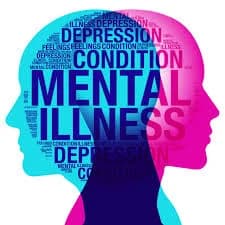
This advancement in medical training comes at a critical juncture, as new data underscores the escalating complexity of the global health landscape that these future physicians will inherit. According to a landmark study published in The Lancet, the global prevalence of mental health disorders has surged by a staggering 95.5% since 1990. By 2023, nearly 1.2 billion people worldwide were estimated to be living with mental health conditions, with anxiety and depression leading the surge at 158% and 131% increases respectively.
The study highlights a shifting demographic burden, noting that mental health challenges now peak among younger individuals, particularly those aged 15 to 19. Researchers attribute this rise to a confluence of factors, including genetic predispositions, economic instability, and the lingering social and psychological effects of the COVID-19 pandemic. Experts suggest that addressing this "silent epidemic" requires not only improved mental health services and lifestyle interventions but also a more robustly trained medical workforce capable of identifying and treating these conditions early.
The juxtaposition of Dr. Dadzie’s educational contribution and the grim statistics from The Lancet reinforces the vital role of specialized medical resources in the modern era. As medical schools like Family Health University produce authors and experts, the focus remains on equipping the next generation with the clinical skills necessary to tackle both traditional physical ailments and the burgeoning global crisis in mental health. Moving forward, health stakeholders emphasize the need for continued investment in medical literature and collective action to expand access to mental healthcare worldwide.
