••
Government and Security Forces Launch Massive Relief and Recovery Effort Following Fatal June 29 Floods
•3 min read•13 sources
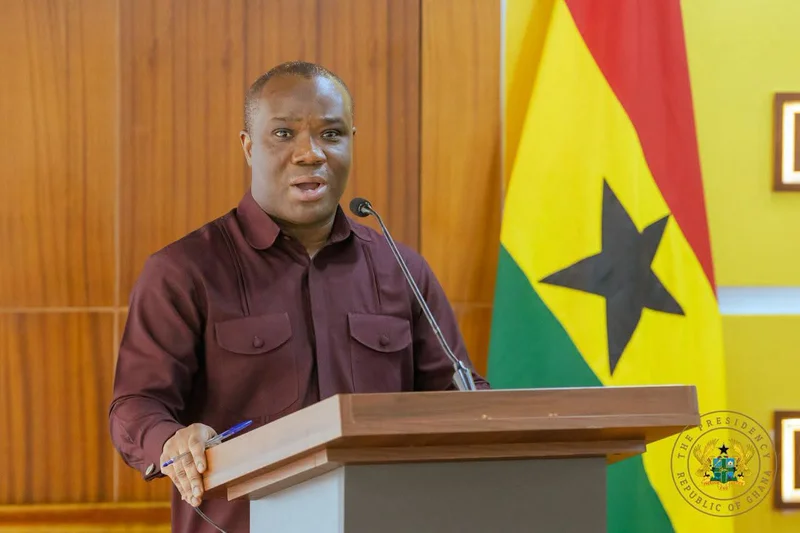
Ghana has entered a critical recovery phase following devastating floods on June 29 that left at least two people dead and caused widespread displacement across seven regions. The bodies of the two victims were recovered on July 2 at Adakope, near Weija, where local authorities attributed the tragedy to inadequate drainage systems and heavy rainfall. In response, Minister Felix Kwakye Ofosu announced that the government has commenced a massive distribution of emergency relief items, including food, clean water, medical supplies, and shelter materials. While Greater Accra remains the hardest-hit area, distributions are being extended to critical districts in the Volta and Central Regions, with the National Disaster Management Organisation (NADMO) leading the logistics and mobilization efforts.
To alleviate the administrative and sanitary burdens on victims, various state agencies have introduced specialized support programs. The Ministry of Foreign Affairs has announced an expedited one-week replacement process for passports lost or damaged in the floods, valid for applications made between July 3 and July 17. Simultaneously, the Accra Metropolitan Assembly (AMA), under Mayor Michael Kpakpo Allotey, has launched a month-long free refuse collection initiative. This program aims to clear the massive waste accumulation that often worsens flood conditions and poses health risks, supported by a dedicated WhatsApp line for residents to report sanitation hotspots.
Security and policy organizations are also pivoting toward long-term mitigation to prevent a recurrence of the disaster. The Ghana Armed Forces (GAF), led by Brigadier General Forster Okae-Yeboah, has warned that it will begin removing structures that block waterways as part of a phased recovery plan to restore drainage integrity. This stance is echoed by the Centre for Policy Scrutiny (CPS), which called for a comprehensive national strategy focused on urban planning and infrastructure resilience rather than just reactive relief. The CPS urged the government to fast-track aid while appealing to corporate entities to support humanitarian efforts for the displaced.
The disaster has sparked a nationwide call for civic responsibility and improved urban management. High-profile figures, including the musician Stonebwoy and the Musicians Union of Ghana (MUSIGA), have expressed condolences to the bereaved and urged citizens to stop dumping refuse in drains and building on unauthorized land. As recovery continues, the government has assured the public of regular updates and sustained support until all displaced families are rehoused. The situation remains a stark reminder of the urgent need for a permanent solution to Ghana's perennial drainage challenges to protect lives and property in future rainy seasons.

