••
FDA Issues Toxic 'Sukudai' Alert While Bono East Celebrates First Dialysis Machines
•2 min read•4 sources
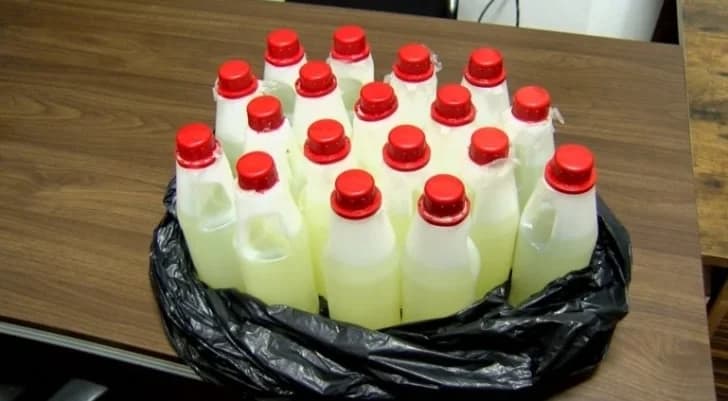
The Food and Drugs Authority (FDA) of Ghana has issued an urgent public health warning regarding 'Sukudai,' an unregistered substance being marketed as a 'heart-cleansing' remedy. Primarily distributed in Kumasi, the substance has raised alarms after viral videos demonstrated its ability to corrode Styrofoam plates, signaling severe chemical hazards. Subsequent laboratory analysis by the FDA confirmed that Sukudai contains toxic levels of chloroform, a dangerous chemical linked to serious long-term health complications, including an increased risk of cancer.
In response to these findings, the FDA is coordinating with National Security and the Ghana Police Service to track down vendors and halt the distribution of the hazardous cocktail. The authority has cautioned the public against both the ingestion and inhalation of the substance, noting that sellers of such unregistered medicines will face legal action. This enforcement drive coincides with a broader regulatory initiative by the FDA to recall all alcoholic energy drinks containing stimulants from the Ghanaian market by March 31, 2026. The public is strongly encouraged to report any sightings of the product through the FDA’s official hotlines and complaint platforms.
While the FDA addresses these public safety threats, the Bono East Region has recorded a major milestone in specialized healthcare. The Holy Family Hospital in Techiman has received its first set of dialysis machines, donated by HealthTech Ghana Limited through the Ghana Medical Trust Fund. This critical addition to the hospital's renal care capacity ends years of hardship for local patients, who previously had to endure the emotional and financial strain of traveling long distances to major cities like Kumasi or Accra to access life-saving kidney treatments.
These two developments highlight the dual challenges and progress within Ghana's healthcare landscape. While the government and regulatory bodies work to purge the market of dangerous, uncertified 'miracle' cures like Sukudai, strategic investments in medical infrastructure are expanding access to essential services in underserved regions. Health officials emphasize that public safety depends on both the vigilance of consumers against unregistered products and the continued expansion of legitimate, high-quality medical facilities across the country.